
What is environmental remediation? It is the process of minimizing the harmful effects of contamination on people and the environment at a contaminated site, and it follows an ordered sequence from investigation to clean-up.
The sequence matters more than any single technique, because the target and the method are chosen from what the investigation finds. This guide sits within waste to energy and environmental services and walks through each stage in order.
What remediation means and when it applies
Environmental remediation is the work of reducing the harm that contamination causes. Inogen Alliance describes a contaminated site as one where levels of some contaminant are potentially harmful to people or living organisms. Remediation is the process of minimizing those harmful effects.
Remediation is therefore needed when contaminant levels at a site could harm people or living organisms. It is not triggered by the mere presence of a contaminant. That distinction explains why investigation and risk assessment come before any clean-up decision.
The same source groups the ways of dealing with contamination into two broad families: removing the contaminant, for example by excavating soil for off-site treatment or disposal, and reducing it chemically with amendments. Most real projects choose between these families, or combine them, after the stages described below.
The remediation sequence, stage by stage
Remediation moves from a quick scoping study to detailed investigation, then to risk assessment, feasibility work and an approved plan. The durations below are those reported by Inogen Alliance and describe typical ranges rather than guarantees for any given site.
| Stage | Typical duration | Planning use |
|---|---|---|
| Scoping study | One to two weeks | Gives an early view of the problem before larger budgets are committed. |
| Site investigation | From one day (a single fuel tank spill) to weeks or months | Duration depends on how widespread and complex the contamination is. |
| Risk assessment | A few weeks | Turns investigation results into clean-up criteria for the site. |
| Feasibility study | Weeks or months | Compares candidate techniques, including bench-scale and pilot-scale tests. |
Durations are taken from Inogen Alliance’s overview of remediation terminology and approaches.
Scoping and site investigation
The first step for most remediation projects is a scoping study. It frames the problem before the expensive work begins. The investigation that follows collects the samples and measurements that show where contamination lies. A single spill from a fuel tank can be investigated in a day, while larger or more complex sites can need weeks or months.
Laboratory analysis of soil and water samples underpins this stage, and the results feed every later decision. Many of these stages are led by specialists, and what does an what does an environmental consultant do explains that role in more detail.

Feasibility and the remedial plan
Feasibility studies can take weeks or months to complete. They compare techniques against the contaminants found and the criteria set by the risk assessment. For bioremediation, this can include bench-scale and pilot-scale tests of different amendments before a full-scale design is fixed. Testing small first is a sensible way to avoid committing to a method that does not work on the site’s own soil and water.
In many jurisdictions a Remedial Action Plan must be submitted to the authority and approved before remedial works start. Contractors should therefore not mobilise on the strength of a feasibility study alone.
Choosing a remediation target
A remediation target is chosen by comparing site data with clean-up criteria, and the risk assessment is the tool that sets those criteria. Site-specific risk assessments provide a means to develop credible clean-up criteria for the particular site. According to Inogen Alliance, such criteria are often less restrictive than generic standards.
This has a practical consequence. A site owner facing a generic standard may find that a site-specific assessment, taking a few weeks, gives a more realistic goal and so a narrower, cheaper technique. It works only if the criteria are credible, because the authority has to accept them in the plan it approves.
The target should not be set before the investigation is complete. Criteria written on incomplete data can fail at the approval stage or force rework once the plan is in progress.
Soil remediation techniques
The main soil remediation techniques covered by the supplied evidence are excavation, thermal desorption and bioremediation. They suit different contaminant behaviour, and the feasibility study decides between them.
Excavation and off-site handling
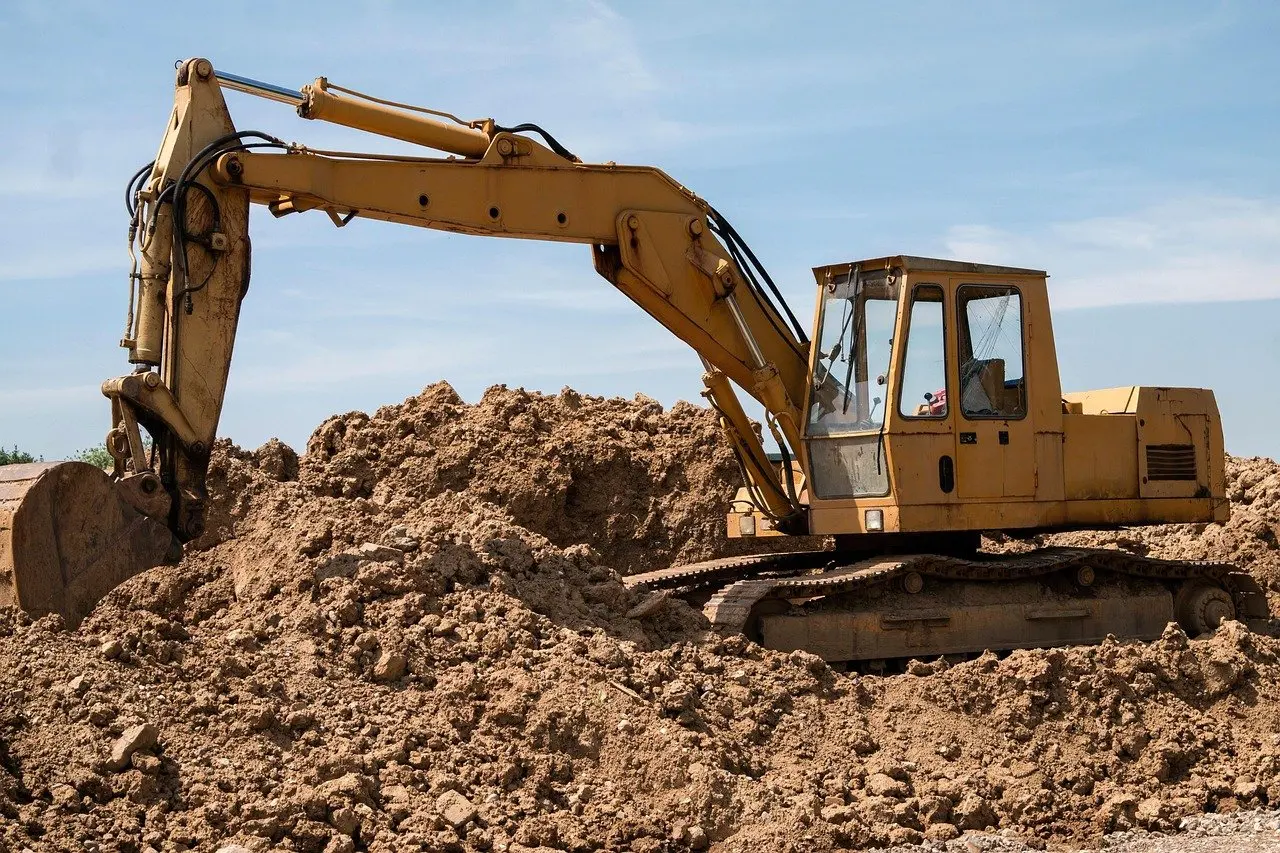
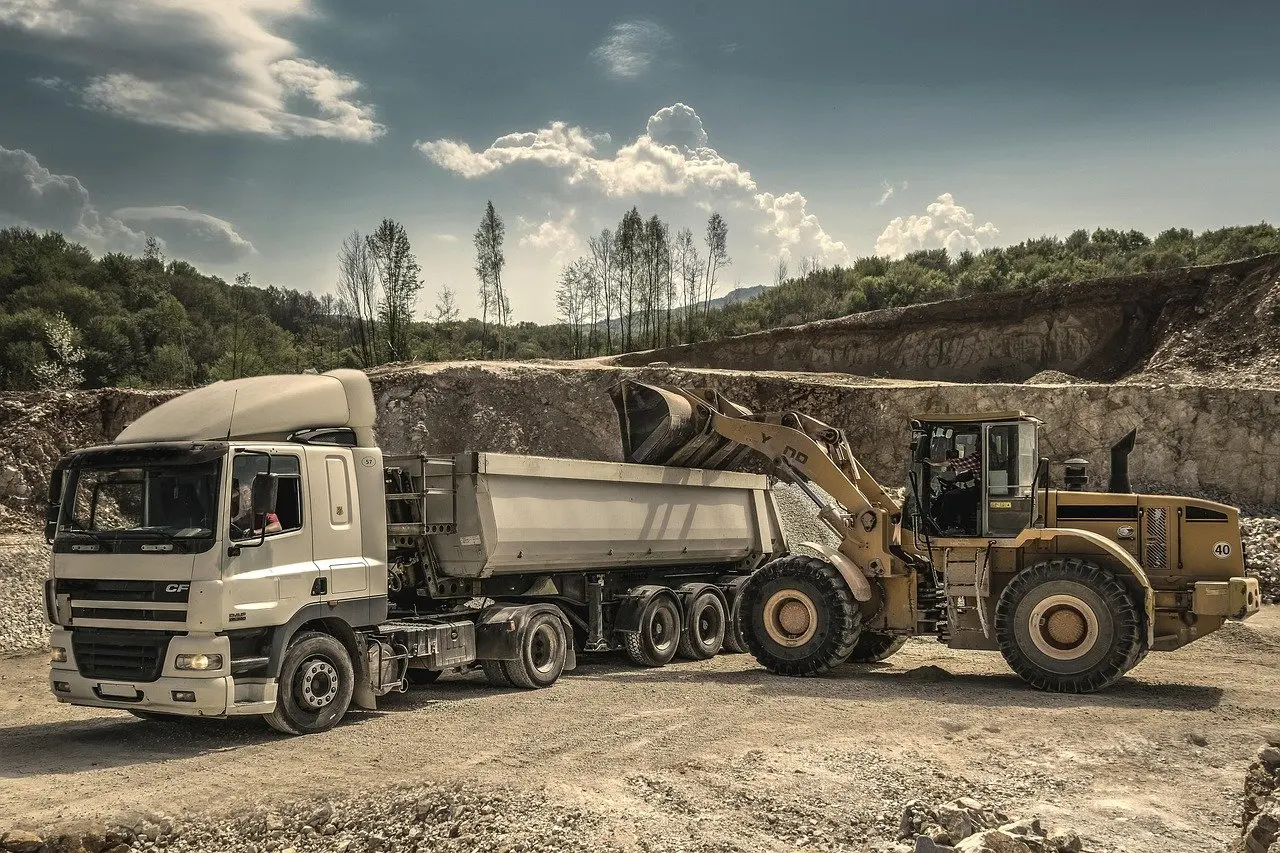
Excavation is the most direct approach. Contractors dig up the affected soil, store it and remove it for safe disposal, as described by Clean Management Environmental. Inogen Alliance likewise names excavation for off-site treatment or disposal as a removal method. It suits cases where the contaminated volume is well defined and can be handled, because it takes the source away rather than managing it in place.
Thermal desorption
Thermal desorption is a heat technology that increases the volatility of the contaminant. The contaminant turns to vapour and can then be collected or destroyed. It is a fit for contaminants that can be driven off by heat, and the pilot or feasibility stage should confirm this before the method is specified.
Bioremediation
Bioremediation treats contamination biologically, and the amendments used are usually tested first at bench scale and pilot scale. That testing step is the key practical point: the method is selected and tuned on site materials, not assumed. It tends to be a longer-term option than removal, but the pack gives no duration figure, so the feasibility study should supply the timeline.
Groundwater remediation methods
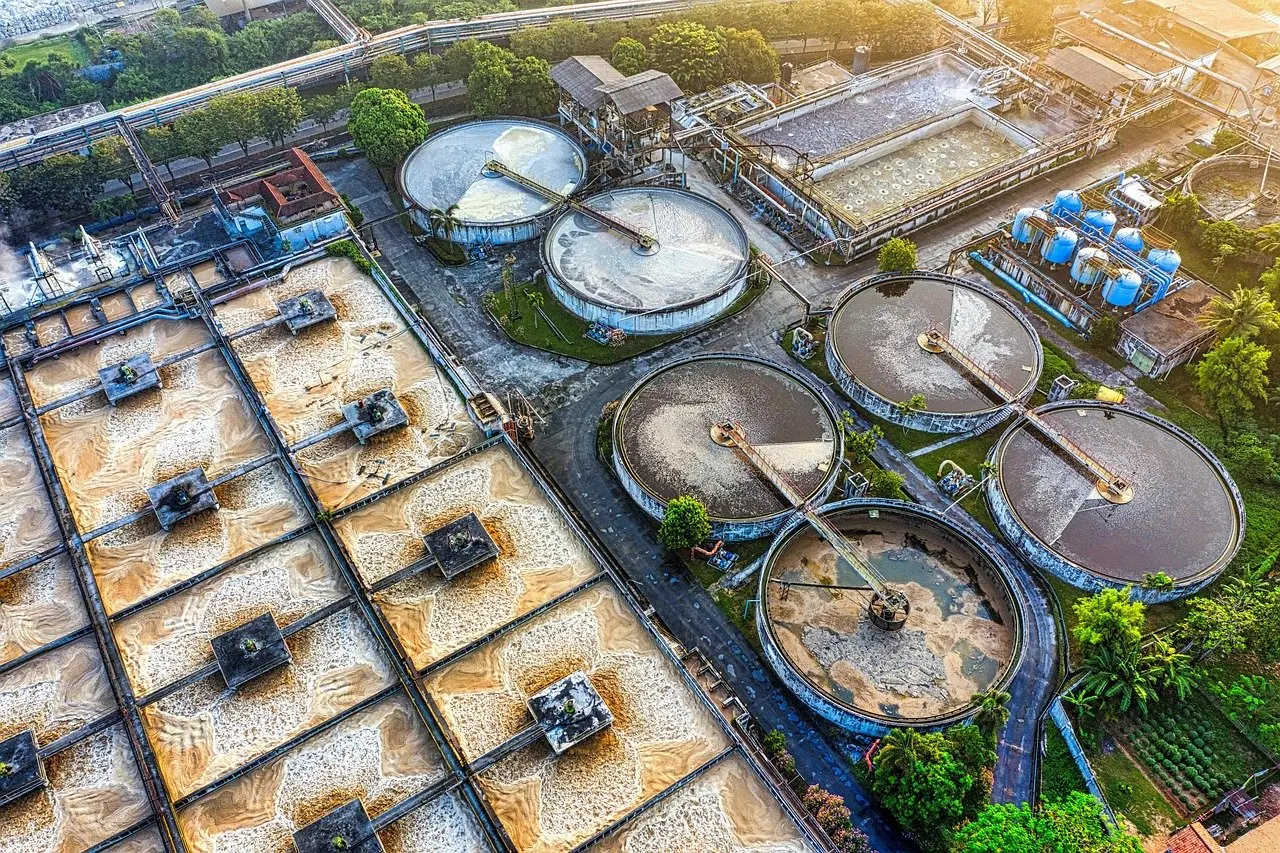
The method described in the supplied evidence for cleaning contaminated groundwater is pump and filter. Professionals pump the contaminated groundwater out of the soil and then filter the contaminant out of the water, according to Clean Management Environmental.
Groundwater work depends heavily on characterisation, because the water has to be sampled from monitoring points to show where the contaminant is and how much is present. The same risk-based logic applies as for soil: the clean-up criteria drive how far treatment must go. Chemical or biological amendments tested at pilot scale are part of the wider toolbox described by Inogen Alliance, so the feasibility study can compare them against pumping.
Italy’s contaminated-site framework
Italy regulates contaminated land within Legislative Decree 152/2006, the national Environmental Code. EB Sicurezza describes it as the decree that establishes the rules for protecting the environment and the rational use of natural resources, from waste management to water protection and air pollution.
For a site owner in Italy, the practical reading is that remediation is a regulated process in which the stages above lead to a plan that the authority must accept. Sites of national interest sit within this same national framework, and the specific procedure and responsible authority for a given site should be confirmed against the decree and with the competent authority before works are planned.
Waste sites also raise related operational questions. Closed landfills, for instance, can generate gas, a subject covered in landfill gas to energy.
Frequently asked questions
Does every contaminated site need excavation?
No. Excavation is one way to remove contamination. Other approaches include chemical amendments, bioremediation, heat-based thermal desorption and, for groundwater, pumping and filtering.
Are site-specific clean-up criteria always looser than generic standards?
Not always. Inogen Alliance says site-specific criteria are often less restrictive, and they still have to be credible to the authority that approves the plan.
Is Legislative Decree 152/2006 only about contaminated land?
No. It is a broad environmental code that also covers waste, water and air pollution, as well as EIA and SEA procedures.
How quickly can a small spill be investigated?
A single spill from a fuel tank can be investigated in as little as one day, according to Inogen Alliance. Larger or more complex sites can take weeks or months.