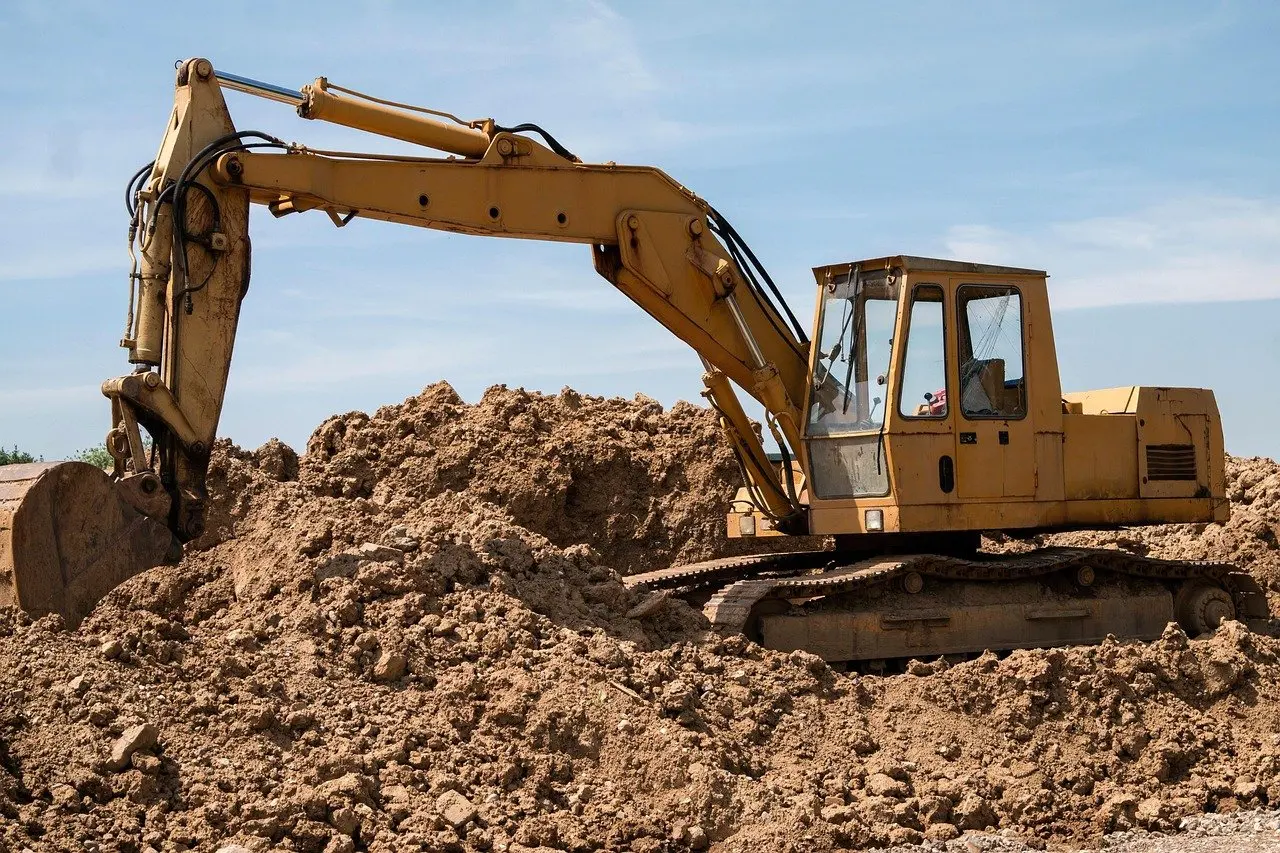

What does an environmental consultant do? The role combines field assessments with desk research to find, measure and reduce environmental risks, so a business can avoid legal action or fines. The scope of each engagement sets the work.
Consultants sit between the operator and the regulator. The same advisory layer runs through the wider field of waste to energy and environmental services, where each plant, site or waste stream carries its own obligations.
Why the advisory layer exists
An environmental consultant identifies and minimises the risks that could result in legal action or fines for a company, according to Access Environmental Planning. That purpose explains most of the work. A legal duty creates a need for evidence, a check or a report, and the consultant supplies it.

The practical consequence is that a consultant is usually hired because a duty, a transaction or a certification goal already exists. Waste producers, for example, work with industrial waste management services to move and treat material, while the consultant checks that the policies and records behind that activity hold up. Hiring one early costs less than reacting to a finding later, because the baseline and the evidence are already in place.
Consultancies typically work across land and water contamination, air assessment and waste management policies. A site rarely needs all of these at once, so the first job is deciding which apply.
Service categories at a glance
The table groups the main service areas by what the work involves and when each one is worth commissioning.
| Service area | What the work involves | Planning use |
|---|---|---|
| Site investigation and baseline | Fieldwork to establish the current level of pollution or contamination on a property | Commission before a purchase or change of use, so later contamination can be compared with a documented starting point |
| Land and water contamination | Assessment in the field, followed by desk-based research and a scientific report | Suits sites with an industrial history or a suspected release |
| Air assessment | Evaluating emissions and their effects | Relevant to plants with stacks or process emissions |
| Waste management policies | Reviewing and writing the rules a business uses to handle its waste | Useful for waste producers who need consistent procedures |
| ISO 14001 consulting | A phased project from scoping to support for the external audit | Suits organisations aiming for a certified environmental management system |
The service areas come from Access Environmental Planning, and the phased ISO 14001 structure from Corale Secure.
A day in the work: field and desk
Environmental consultants conduct assessments in the field and do desk-based research in their offices. The two halves feed each other. Field observations and measurements produce the data, and the office work turns it into the detailed scientific reports that a client or regulator can read.
On a given day the work is therefore either site-facing or document-facing. Site-facing days involve walking the property, recording conditions and collecting samples. Document-facing days involve checking results, researching the background and writing up findings. A client should expect a report as the main deliverable, not only a verbal opinion.
Site investigation and baselines
A site investigation establishes a baseline condition for the property and the current levels of pollution or contamination. That baseline has the most value before a purchase, because it separates problems the buyer inherits from problems that arise later.
Investigation is a fact-finding stage and does not clean anything up. If it reveals contamination, the question becomes what is environmental remediation and how it should be planned, which is a separate stage with its own methods. Keeping the two apart helps a client budget: the investigation defines the problem, and the response is scoped afterwards.
Compliance, audits and ISO 14001
Compliance work turns legal duties into checks that a business can repeat. A consultant maps which obligations apply, tests whether current practice meets them and records the result. For organisations that want a recognised management system, ISO 14001 consulting packages this into a project.
The phased ISO 14001 route
According to Corale Secure, ISO 14001 consulting runs through six phases, starting with business requirements and scoping and ending with support for the external audit. The sequence matters because each phase produces the input for the next.
- Scoping first. Scope is a boundary statement for ISO 14001 certification. It states which sites, activities and processes the certificate covers, so it should be settled before any documentation is drafted.
- Gap analysis next. The consultant compares existing practice with the standard and reports the degree of compliance on a three-point Red/Orange/Green scale. Red items go to the top of the work plan.
- Internal audit before the external one. An internal audit tests the system before an outside certifier does, which gives the organisation time to correct findings.
Air, water and waste assessments
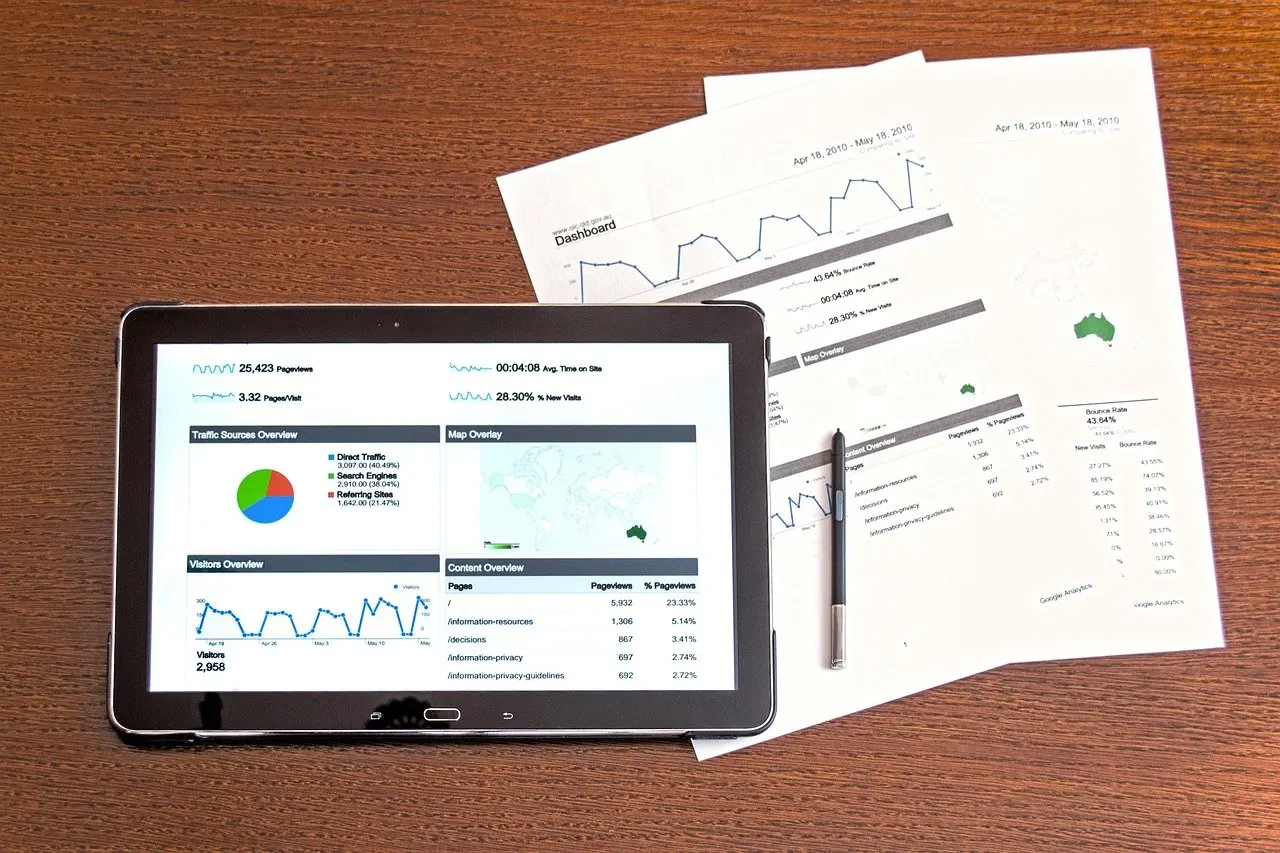
Air assessment, water contamination review and waste policy work share a pattern: measure what is happening, compare it with what the operator is required to achieve, and report the gap. Industrial stacks and process emissions are the typical subject of the air work.
Waste is where the consultant’s advice meets the operator’s daily routine. Written waste management policies give staff and contractors one set of rules, and the consultant’s review shows whether the rules match what actually happens on the site.

Qualifications behind the role
Environmental consultants usually come from a scientific education that includes biology, geology, physics and chemistry. That breadth matters because a single project can touch soil, water, air and waste. Many consultants are also proficient in engineering, which helps when findings must be turned into a technical fix.
A client should therefore look at the fit between the consultant’s background and the problem. A contaminated-land question calls for geology and chemistry, while a process-emissions question benefits from engineering. A consultant’s own report, written to a scientific standard, is the best evidence of that fit.
How engagements are scoped
Engagements are scoped by boundary and by phase. In an ISO 14001 project the scope statement fixes what is covered, and the phase list shows what happens in what order. A proposal built on these two elements is easier to compare with another than a single lump description.
When comparing proposals, check three things: what boundary the work covers, which deliverable each phase produces, and whether support for the external audit is included. Where the project is fieldwork-led, such as a site investigation, check which samples and which written report are part of the work. These checks matter more than the headline fee, which cannot be compared until the scopes match.
Frequently asked questions
How long does an ISO 14001 certificate last?
A certificate has a validity of three years, subject to annual surveillance audits.
What does the external certification audit check?
It has two stages. Stage 1 is a documentation review, and Stage 2 is implementation verification.
Is a weak first internal audit a bad sign?
No. Most internal audits show weaknesses in the first cycle, which is an intended exercise that lets the organisation correct problems before certification.