What is land art? It is art made in or from the landscape itself, using natural material and environments. It is also called earth art or earthworks, and it emerged in the 1960s and 1970s in the United States and Great Britain.
Quick answer: Start with Spiral Jetty in Utah, which is the best-known example and the one most affected by changing water levels. Add Lightning Field and Double Negative for desert scale, then Richard Long and the Emmen works for Europe. Check the access arrangements for each site before travelling.
This tour is about the earthwork tradition. The wider field is covered in the guide to what is environmental art, and the main hub on contemporary art and environment places both in context.
What counts as land art
A university art-history course defines land art, or earth art, as art that makes use of natural material and environments. The Utah State Library adds that the movement is also known as earthworks and environmental art. This page uses “land art” for the earthwork tradition: large, site-specific works built in the landscape rather than shown in a gallery.
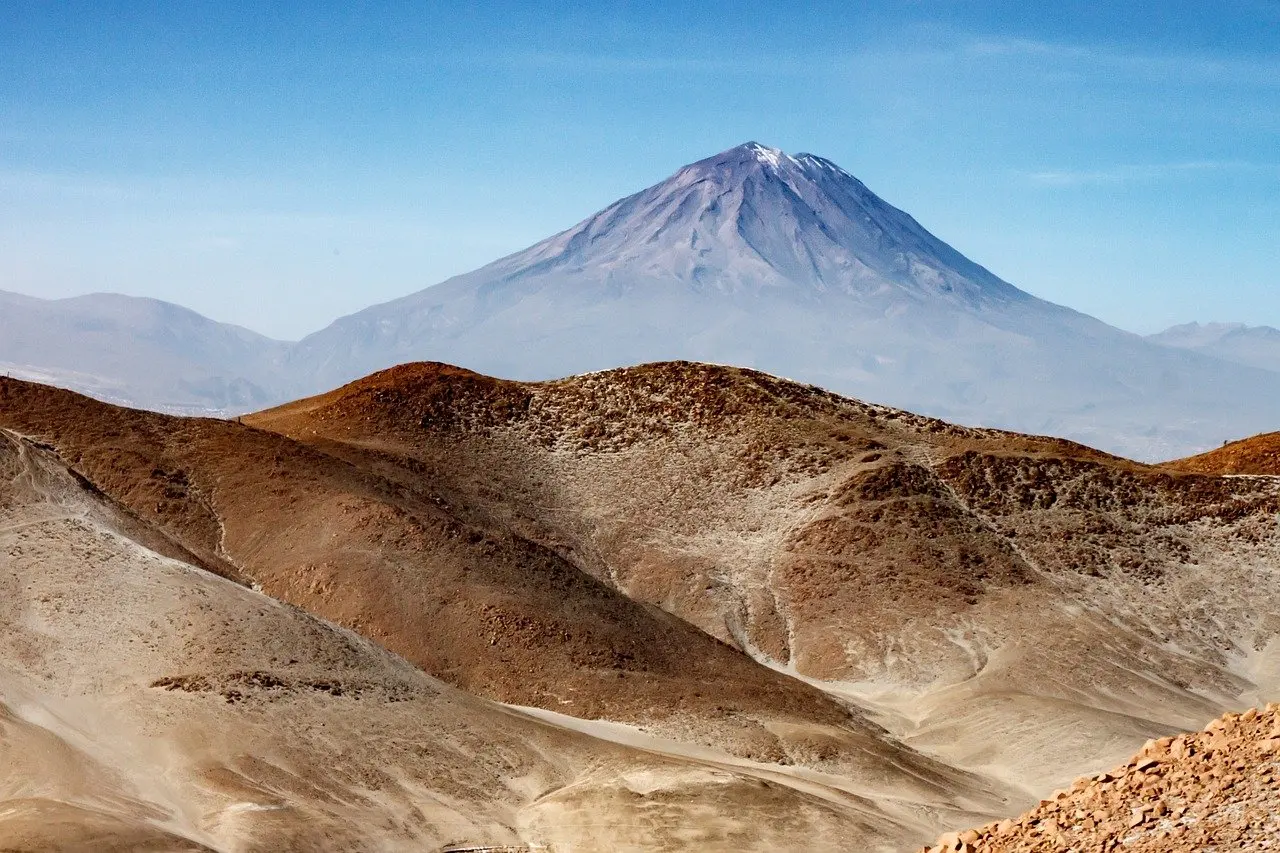
The name “Earthworks” comes from an exhibition. In 1968, the Virginia Dwan Gallery in New York City mounted a show called “Earthworks”, which is the usual starting point for land art history. Artists associated with the movement include Robert Smithson, Walter De Maria and Michael Heizer in the United States, and Richard Long in Britain. Nancy Holt, who created the Sun Tunnels in Utah’s Great Basin Desert, is another pioneer named by the Utah State Library.
Spiral Jetty, Great Salt Lake
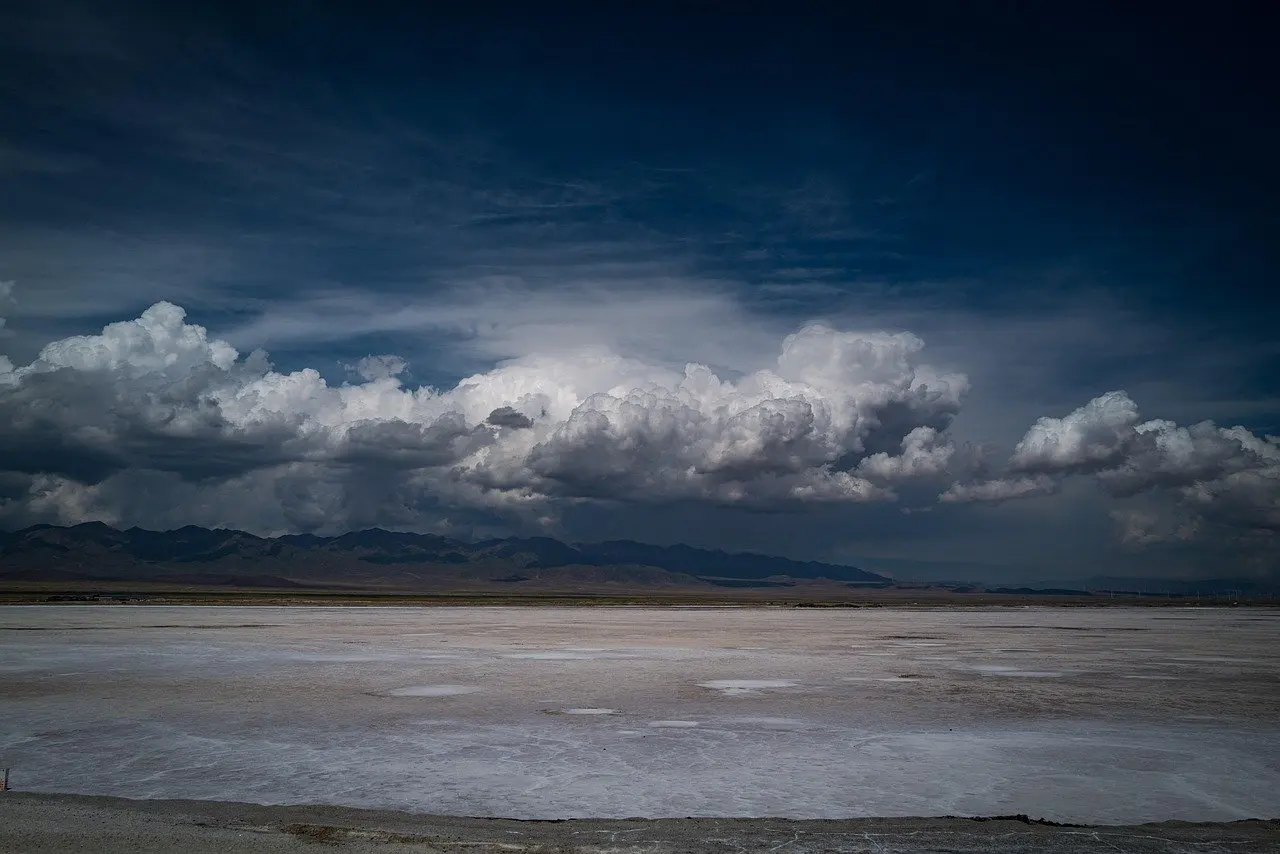
Robert Smithson’s Spiral Jetty is the work to see first if only one is possible. It sits at Rozel Point on the northeastern shore of Great Salt Lake in Utah. Built in 1970, it displaced about 6,000 tons of black basalt rock and earth from the adjacent shore. The result is a coil 1,500 feet long and approximately 15 feet wide, winding counterclockwise into the lake.
It suits visitors who want land art as a walk, since the Utah State Library describes it as a path for walking and looking. The limit is the lake. Art and Antiques magazine notes that it has spent a good portion of its lifetime under water and periodically emerges. Water levels therefore decide what a visit looks like, so check current conditions before planning a trip.
On preservation, the artwork was donated to the Dia Art Foundation in 1999 and was listed on the National Register of Historic Places in 2024. Smithson envisioned an artwork in constant transformation whose form is never fixed, so changing water and colour are part of the piece rather than damage to it.
Lightning Field, New Mexico
Walter De Maria’s Lightning Field dates from 1977 and stands in the remote high desert of western New Mexico. According to the University of North Carolina at Charlotte, it consists of 400 stainless steel poles in a rectangular array measuring one mile by one kilometer. The poles are 220 feet apart and average just over 20 feet tall.
It suits readers who prefer a work of precise geometry and open space over one shaped by water. The trade-off is remoteness: it is a place to plan around rather than add to another trip. Confirm the current visiting arrangements with the organisation that cares for the site before setting out.
Double Negative and other desert works
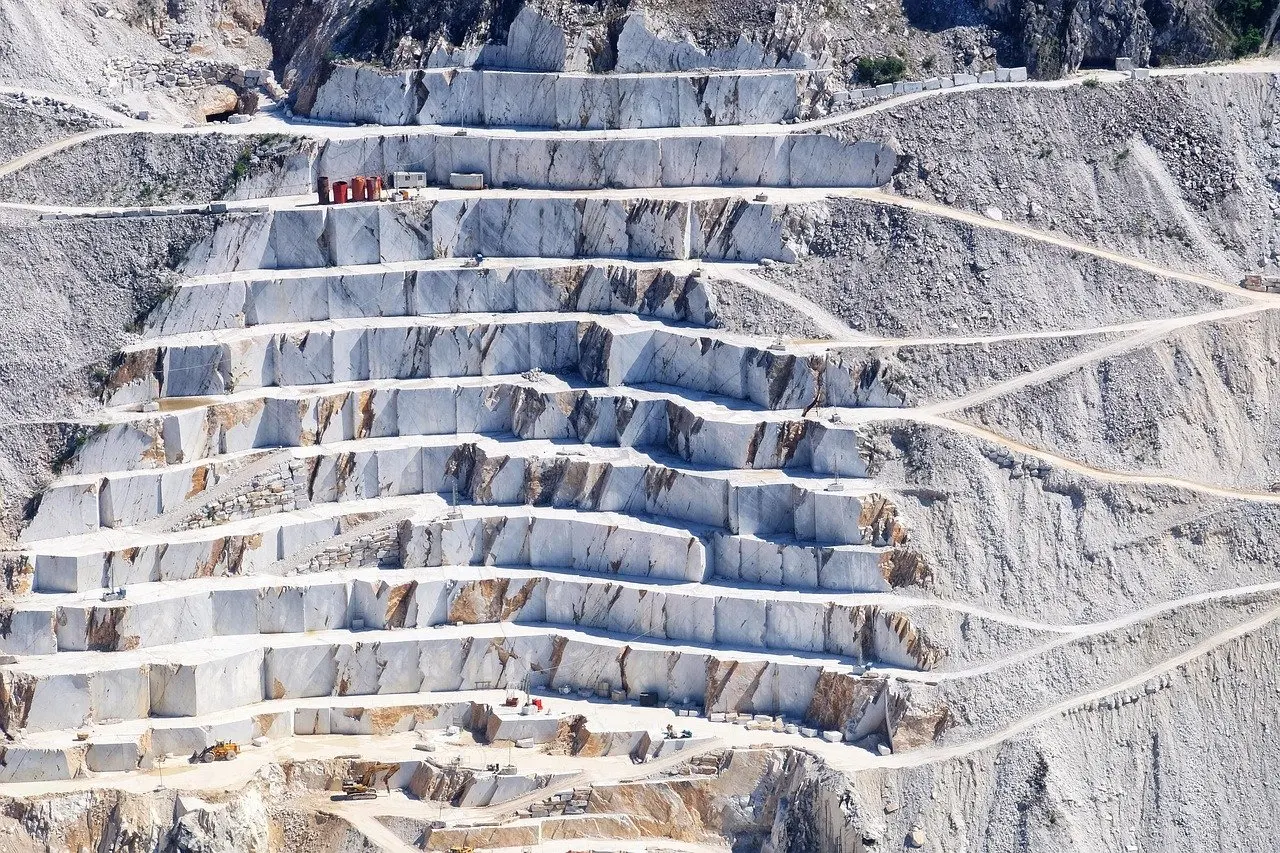
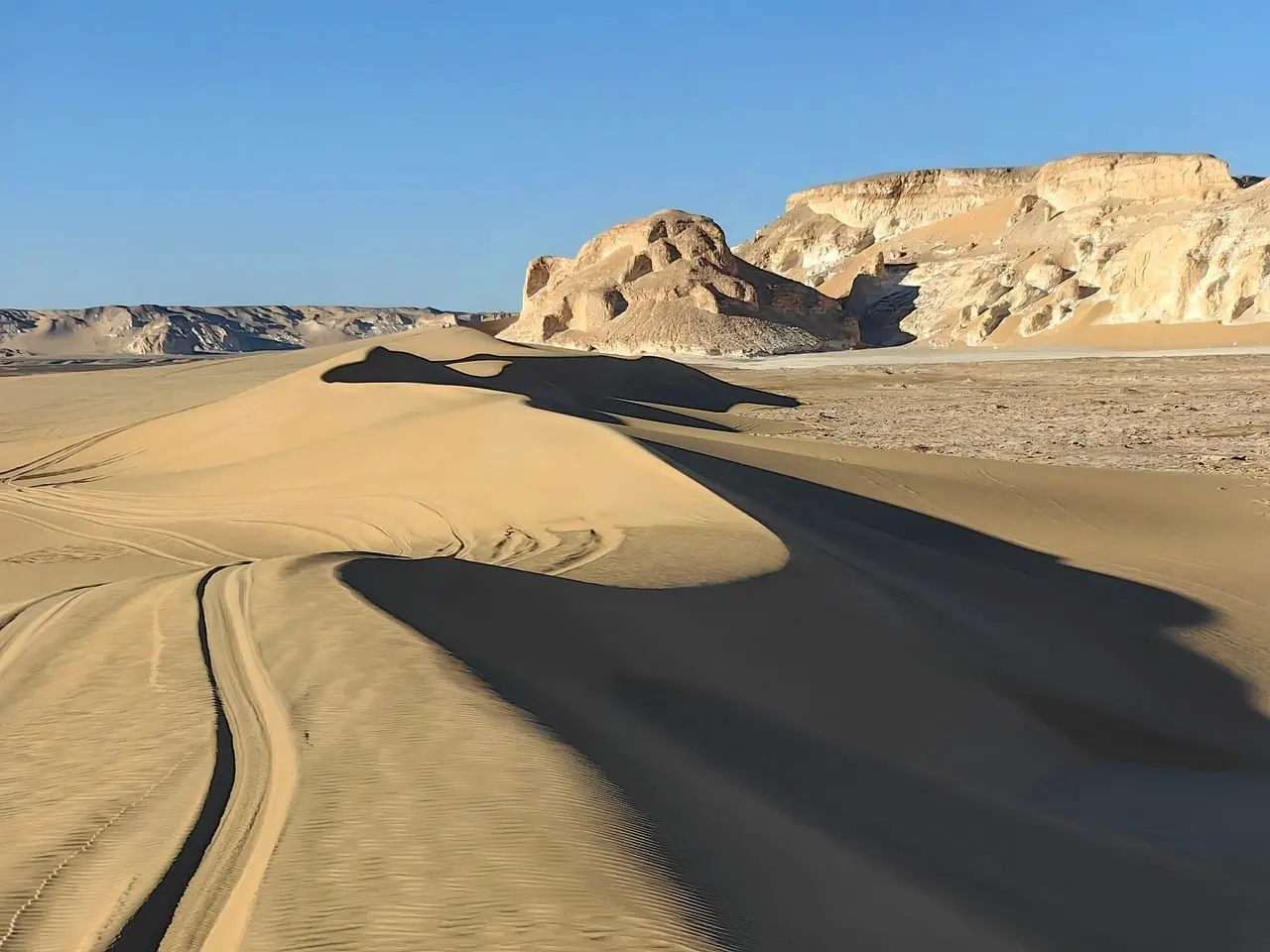
Michael Heizer’s Double Negative, from 1969, is the clearest example of land art as subtraction. Art and Antiques describes a pair of still-extant dynamited trenches, each 50 feet deep and 1,500 feet long, near Las Vegas. It suits visitors who want the scale of the American desert in a single gesture, though the work should be treated as an exposed excavation rather than a managed attraction.
Not every desert work was meant to last. De Maria’s Mile Long Drawing of 1968 was made of two parallel chalk lines that temporarily extended for two miles across the Mojave Desert in California. It is known today through documentation, not as a place to visit. Holt’s Sun Tunnels, in Utah’s Great Basin Desert, belong to the same desert tradition.
Land art in Europe
Britain was part of land art from the start, and Richard Long is its best-known figure. Long is noted for nature walks during which he creates temporary landscape interventions. His work A Line the Same Length as a Straight Walk from the Bottom to the Top of Silbury Hill dates from 1970 and was recreated in 2012. It suits readers who prefer a lighter, walking-based approach to the monumental American projects.
On the continent, Broken Circle and Spiral Hill were both created in 1971 in a quarry in Emmen, the Netherlands. Quarries are a recurring setting for European earthworks because the ground has already been reshaped. Readers looking for Italian examples, or for projects that sit outside the earthwork tradition, will find more in the broader guide to environmental art linked above.
Major earthworks compared
| Work | Year and place | Scale | Planning use |
|---|---|---|---|
| Spiral Jetty | 1970; Great Salt Lake, Utah | 1,500 ft long, about 15 ft wide | Best for a walkable first visit; check lake conditions |
| Double Negative | 1969; near Las Vegas | Two trenches, each 50 ft deep and 1,500 ft long | Suits those after raw desert scale |
| Lightning Field | 1977; western New Mexico | 400 poles in a mile-wide grid | A destination in itself; plan around its remoteness |
| Mile Long Drawing | 1968; Mojave Desert, California | Two chalk lines extending two miles | Temporary; approach through documentation |
| Broken Circle and Spiral Hill | 1971; quarry in Emmen, Netherlands | Not specified | The European counterpart to the American works |
Dates and dimensions are drawn from the Utah State Library’s land art entry and Art and Antiques magazine’s survey of postwar earthworks.
How land art changes over time
Land art is exposed to weather, water and time, and many artists accepted that. Art and Antiques notes that, subject to the shifting whims of nature, some of these works were short-lived and are preserved only in photographs, drawings, video and film. Visitors should therefore expect some works to look different from the images that made them famous, and some to be available only as records.
Smithson turned this into a principle: an artwork in a state of constant transformation. That is why a submerged or partly encrusted Spiral Jetty is not a failure of upkeep. Artists today who respond to climate and ecological change work in the same spirit, as explored in the piece on contemporary artists climate change.
Visiting land art
Land art is meant to be experienced on foot, and the Utah State Library says as much of Spiral Jetty: a path for walking and looking. Most major works are remote, so the experience comes from the approach, the weather and the surrounding landscape rather than from a gallery label.
Use this order to choose a first target:
- Decide the kind of experience. Choose a walkable work such as Spiral Jetty, a large excavation such as Double Negative, or a remote grid such as Lightning Field.
- Check the work’s current state. For water-affected works, confirm the lake level and visibility first.
- Confirm access. Ask the caretaking organisation or land authority how and when the site can be visited.
- Keep a fallback. Short-lived pieces like Mile Long Drawing survive only as documentation, so an archive or book can stand in.
- Consider Europe. If travelling to the American desert is not practical, Richard Long’s work and the Emmen quarry works offer a closer route into the tradition.
Frequently asked questions
Is land art the same as environmental art?
The terms overlap. The Utah State Library lists earth art, earthworks and environmental art as other names for the movement, while environmental art in the wider sense is covered in the guide linked above.
Why did Smithson build Spiral Jetty in that part of the lake?
The reddish water of the north arm, coloured by a high presence of microbes, first attracted Smithson to the site, according to the Utah State Library.
Who was Robert Smithson?
Art and Antiques records that he died in a plane crash in 1973 at age 35.
Is Spiral Jetty officially recognised?
Yes.