| Phase | Practice | Planning use |
|---|---|---|
| Buying and reuse | Reduce waste first. Reuse canvases and found objects. Prefer makers that use green energy, limit water and produce non-toxic paints. | Set purchasing rules before the next studio order. |
| Making | Use non-toxic supplies, ventilate the space, and consider natural dyes or reclaimed wood. | Choose materials by medium, then check each product’s safety information. |
| Cleanup | Wipe tools before rinsing and filter solvent for reuse. Oil-based paints and solvents count as household hazardous materials. | Plan a waste station and find your local hazardous-waste facility. |
| Shipping | Recycling components saves energy and lessens greenhouse gas emissions. | Design packaging to be kept and reused, not discarded after one trip. |
The phase summaries draw on an art league’s eco-friendly practices page and a Hotel Elephant article on sustainable materials.
Sustainable art practices begin with reducing waste, then reusing and recycling, and continue through safer supplies, careful cleanup and lower-impact shipping. The best first step depends on your medium and what is already in the studio.
For the wider context of how artists engage with ecological questions, see contemporary art and environment. This guide stays with how work is made and shipped, not what it depicts.
Buying and reuse: the first phase
Sustainable art practices are the habits that cut the waste, toxicity and emissions of making and moving art. The art league guidance ranks reduce as the best option in the reduce, reuse, recycle hierarchy, because it introduces less waste into the environment in the first place. That ranking is a practical order of attack: before buying anything new, look at what the studio already holds.
Reuse is the next step. The same guidance gives examples: reusing canvases rather than buying new ones, and using found objects in your art. Both suit artists who want a change that costs nothing and does not alter their technique.
- Audit the studio. List canvases, offcuts and found objects that could carry a new piece before ordering supplies.
- Set a supplier rule. The art league suggests buying from manufacturers that use green energy, limit their use of water and produce non-toxic paints.
- Buy to the project. Because reducing ranks first, a smaller, targeted order beats a bulk stock that may go unused.
Non-toxic art supplies and how to check them
Non-toxic art supplies are good for the artist and the environment, according to the art league’s guidance. Switching suits anyone who works in a small or shared space, where exposure builds up fastest.
A photo or a front-of-pack claim cannot confirm a product is safe. Ask the manufacturer for its product safety information, and read the label for what the product contains. Use the supplier criteria above as a second filter: a maker that publishes how its paints are produced is easier to assess than one that does not.
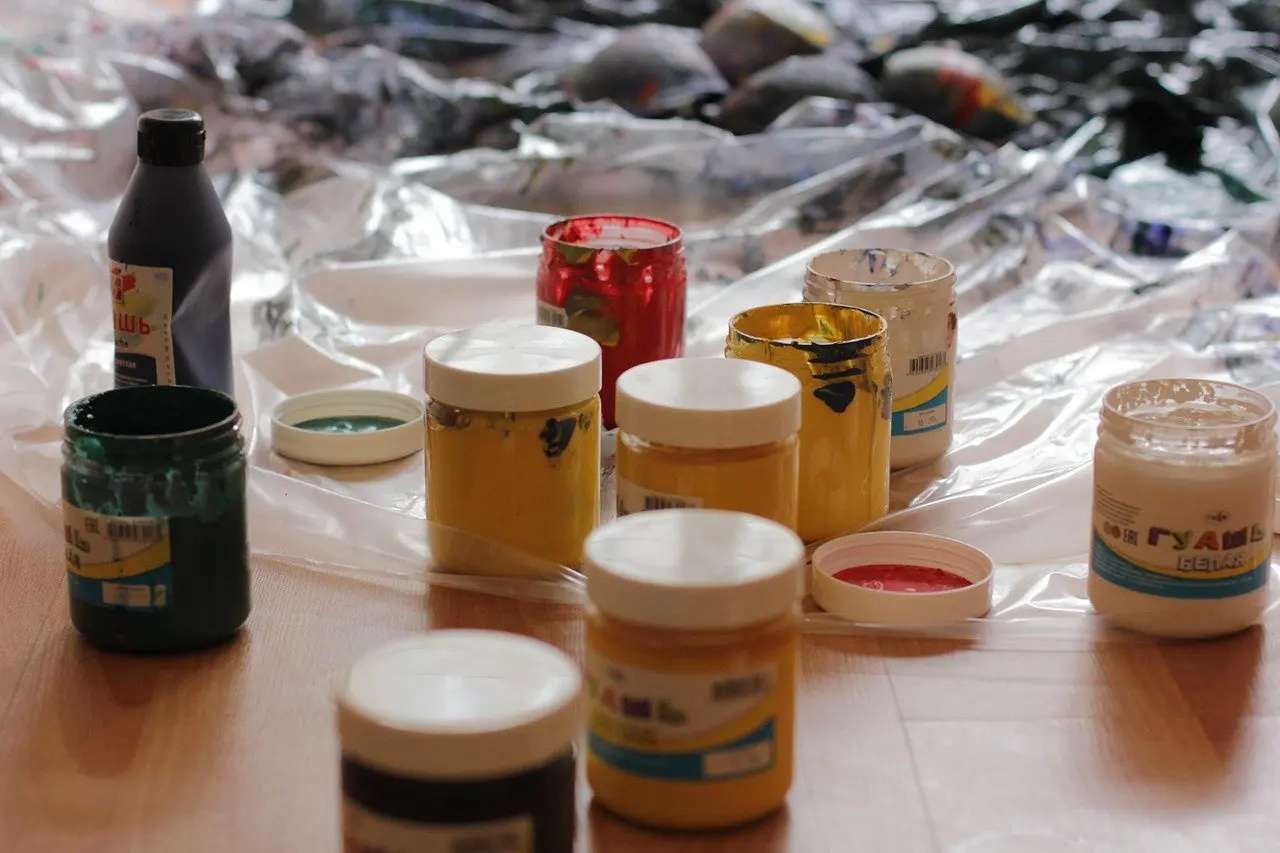
Ventilation still matters when supplies are safer. The same guidance states that adequate ventilation of the space is important to minimising exposure and protecting health. Treat it as a standing studio habit, not something reserved for solvent-heavy days.
Natural pigments and dyes
Natural dyes are made from renewable resources and are biodegradable, according to the Hotel Elephant overview. They suit textile and paper work, and artists who want to know exactly where a colour comes from.
The same article describes bacterial dyeing as a method that requires no toxic chemicals, minimal water and low temperatures. It is an emerging option rather than a drop-in replacement for the paint on your shelf, so treat it as something to follow, not a purchase to plan around.
Natural pigments change how you work: colours behave differently from commercial paints, and testing a small sample before committing a large piece is sensible practice. Start with one colour or one project, and keep what you already own in use rather than discarding it for a greener alternative.
Sustainable sculpture materials
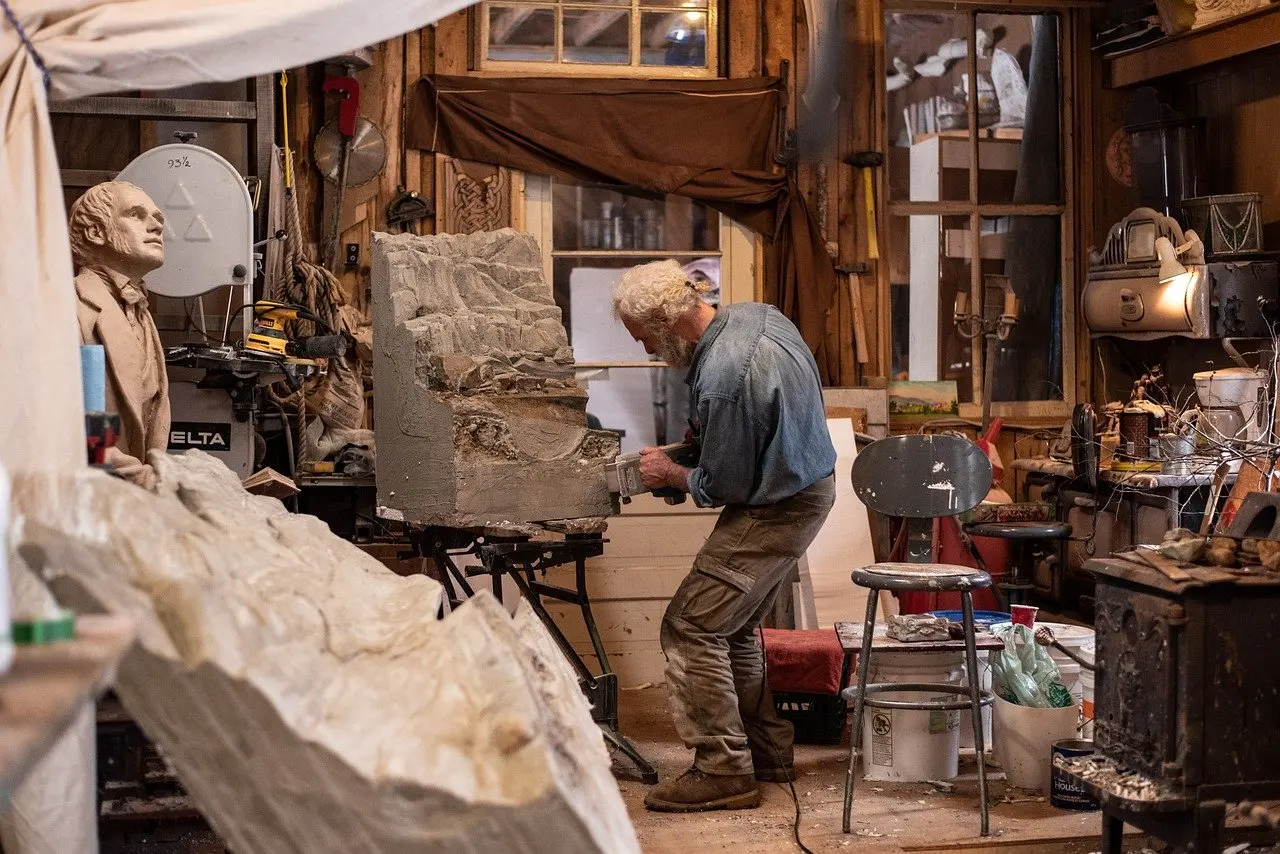
Sustainable sculpture materials are those already in circulation, not newly extracted. Reclaimed wood is wood that has been salvaged from old buildings, bridges or other structures, as the Hotel Elephant article explains. Some artists also use recycled paper to build 3D sculptures and installations.
Found objects belong in the same group. The art league lists found objects among its reuse examples, which places them near the top of the waste hierarchy. For sculptors, that means the cheapest and lowest-impact material is often whatever is already close at hand.
- Reclaimed wood. Suits carving and construction. Its salvaged origin keeps new material out of the supply chain.
- Recycled paper. Suits lightweight, large-scale or temporary installation work.
- Found objects. Suit assemblage, where the material’s history is part of the piece.
The art-historical tradition of working with humble and found materials is covered in the guide to arte povera. This guide is concerned with the practical side: where the material comes from and what happens to it afterwards.
Cleanup, solvents and paint disposal
Cleanup is where most studio waste leaves the building, so small habits here count. Oil-based paints and related solvents are treated as household hazardous materials because they are flammable, according to the art league’s guidance. These materials are generally taken to a local jurisdiction’s processing facility or transfer station, not put out with ordinary rubbish. Local rules govern the details, so confirm yours with the local authority.
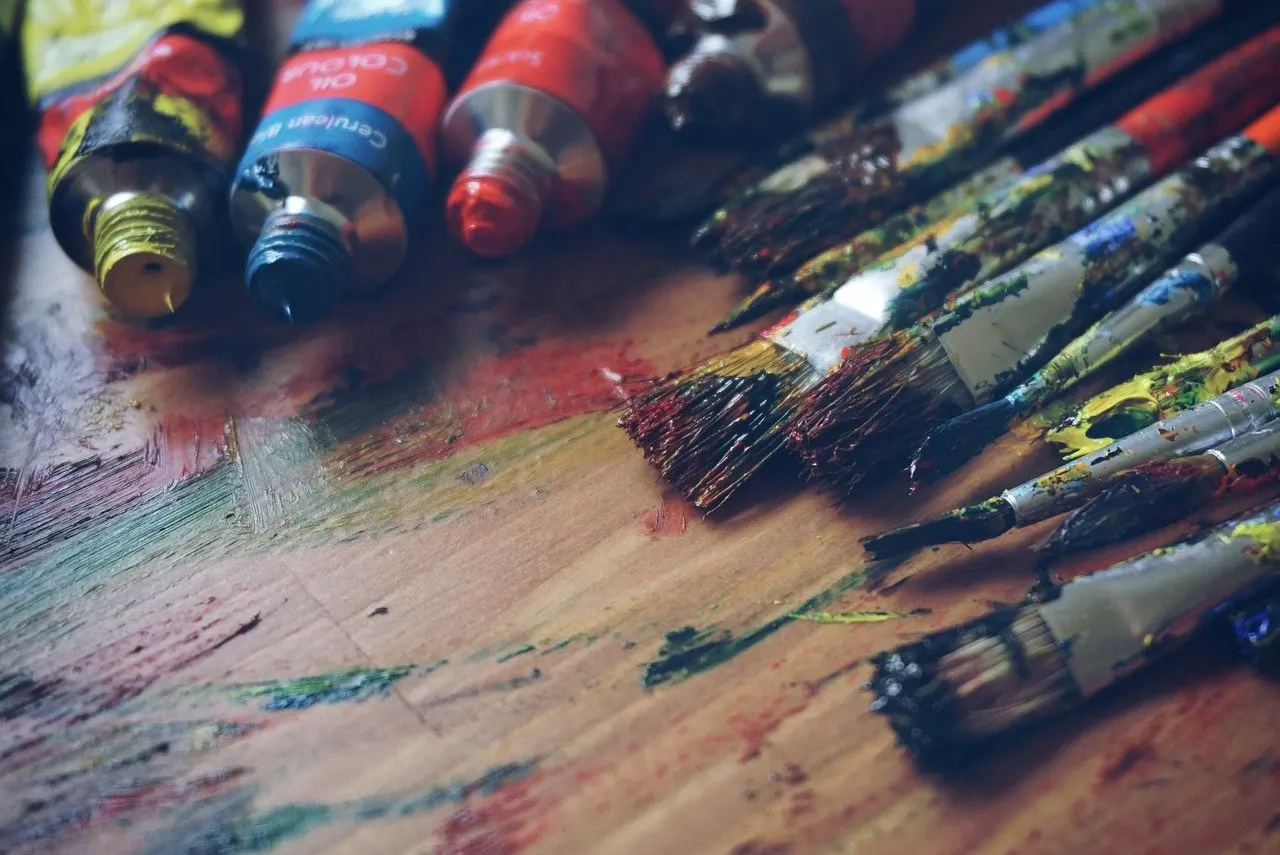
- Wipe first. Wipe brushes, palette knives and other tools with a rag before rinsing them, which reduces the paint that goes into rinse water.
- Let solvent settle. When oil-paint solids have fallen to the bottom of a jar, the solvent above can be reused after filtering.
- Separate the hazardous waste. Keep oil-based paint and spent solvent apart from other waste until you can take them to the local facility.
Reusing solvent first means less of it reaches that facility. It suits oil painters in particular, since they produce the most flammable waste.
Shipping and the carbon footprint of art
The carbon footprint of art comes from the materials bought, the energy used to make the work and the transport that moves it. For a working artist, the supported lever is waste: recycling components saves energy and lessens greenhouse gas emissions, according to the art league’s guidance. Reduction ranks even higher, so the lowest-footprint shipment is often the one whose packaging is built to be used again.
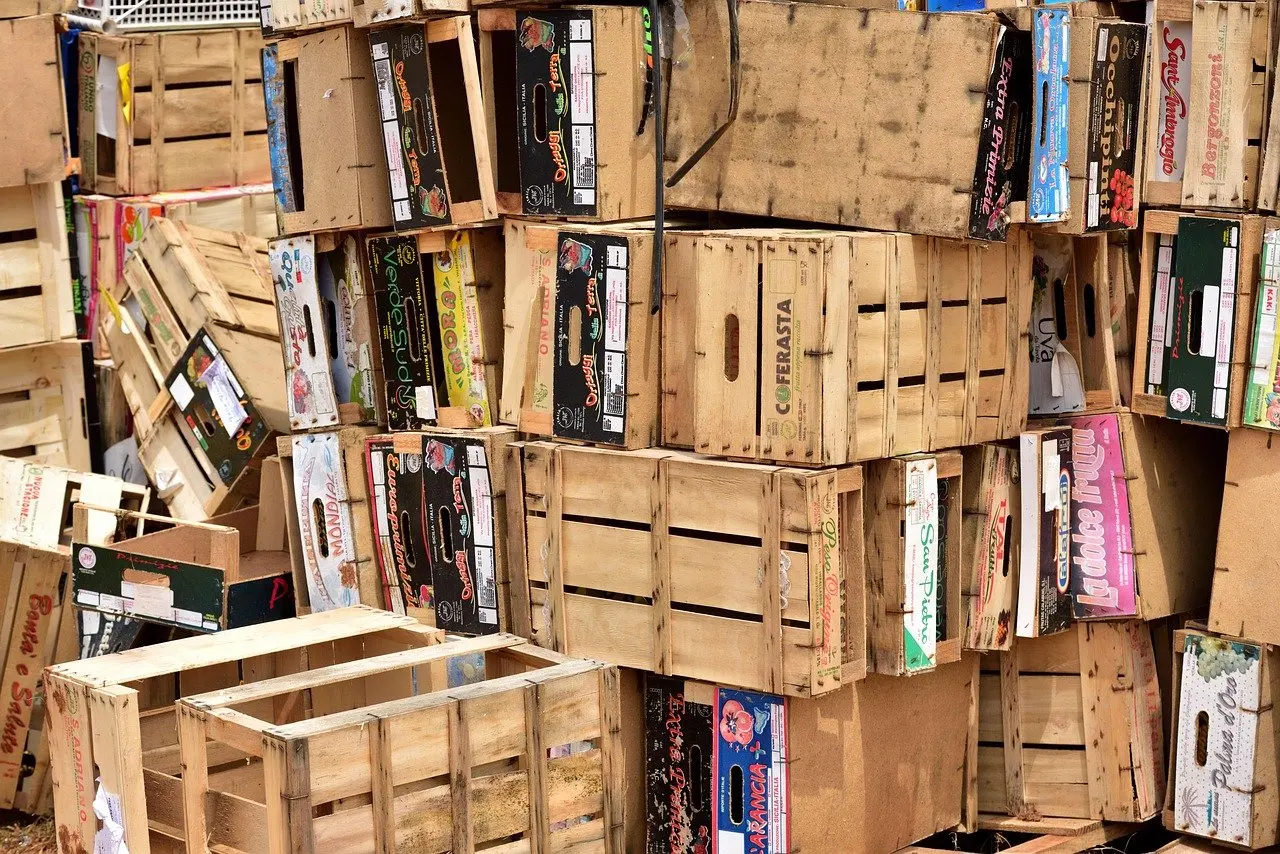
Apply the same waste hierarchy to packaging, since a crate that survives many trips introduces less waste than single-use material. Exhibition-level emissions, including how institutions handle transport, are examined in a separate look at the carbon footprint of art museums.
- Keep packaging. Store crates and protective materials after a delivery so they can be used for the next shipment.
- Build for reuse. Choose packaging that can be opened and closed repeatedly, not material that must be destroyed to reach the work.
- Recycle what cannot be reused. Send leftover components to recycling to capture the energy and emissions saving.
Frequently asked questions
Where can artists and galleries find sector guidance on sustainability?
A library guide from Emily Carr University lists critical analysis and practical guidelines for sustainable arts practices. It also points to a book published in September 2025 that reviews the work undertaken to date to create a more sustainable art world.
Can dried water-based paint go in household rubbish?
Most jurisdictions accept latex or water-based paint in regular trash provided it has been dried out, according to the art league’s guidance. Liquid paint is a different matter, and local rules vary, so check with your local authority before relying on this.
Do non-toxic supplies help the environment as well as the artist?
Yes. The art league states that using non-toxic art supplies is good for you and the environment, and it suggests favouring manufacturers that produce non-toxic paints.