| Reader situation | What the evidence points to | Planning use |
|---|---|---|
| Visiting a trail | The Bascom biennial program, with new works along the Horst Winkler Sculpture Trail | Choose it for recently commissioned works by local and regional artists. |
| Coastal garden | Marine-grade stainless steel | Suits all gardens and coastal ones in particular. Oxidised steel weathers more quickly on the coast. |
| Wanting visible ageing | Copper, oxidised steel and bronze | Pick these when change over time is part of the appeal. |
| Windy or exposed site | Tall designs and sculpture on plinths | Weigh wind exposure before committing to a tall form. |
| Wanting the setting mirrored | Polished stainless steel, as in the Torus sculpture | Use where reflecting the surroundings is the aim. |
The table draws on the Bascom’s outdoor sculpture program page and the David Harber sculpture guidance.
Contemporary outdoor sculpture depends as much on where it stands as on what it is made of: the site, the weather and the upkeep plan decide which materials and forms work.
The sections below are grouped by what a reader is trying to do. For the wider themes behind these works, see contemporary art and environment.
If you want to see works on a trail or in a garden
Public programmes show how outdoor art installations are placed, grouped and walked through. Two documented examples suit different kinds of visit.
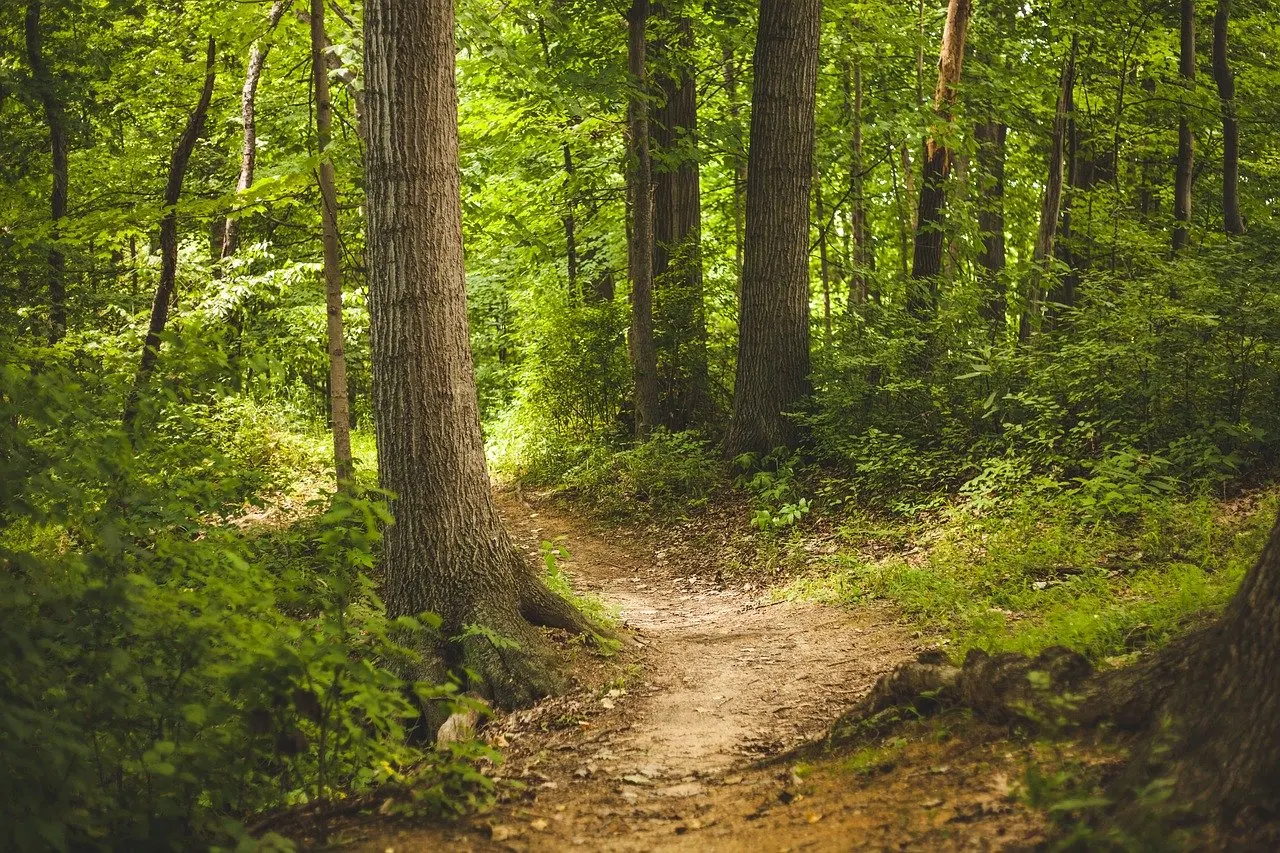
The Bascom’s Horst Winkler Sculpture Trail
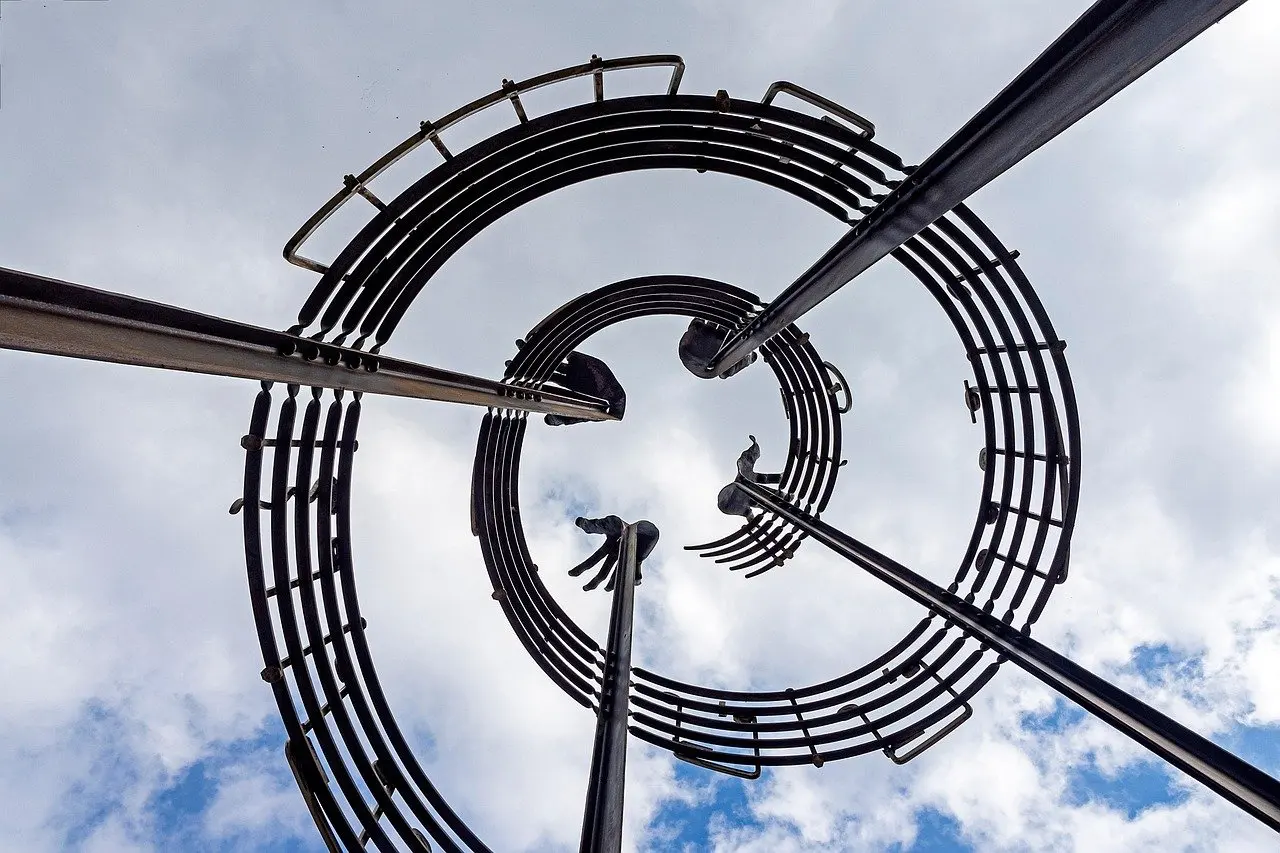
The Bascom’s biennial outdoor sculpture program is in its fourth year. It places new works by celebrated local and regional artists along the Horst Winkler Sculpture Trail. Named works on the campus include Dragon’s Revival by Francis Akosah and Corporation Bench by Corrina Sephora.
This suits a reader who wants current work in a managed setting rather than a permanent collection. Because the programme is biennial, the works change, so check the programme page before planning a trip around one piece.
sculptureWALK at Jack London Village
Sculpturesite describes its sculptureWALK as a collection of 20 free-standing outdoor garden statues and kinetic sculptures. They are displayed across the landscaped grounds of Jack London Village in Glen Ellen, Sonoma County, California.
This is a better fit for a reader comparing materials and scale in one place. The same gallery lists work in metal, including steel, aluminium and bronze, alongside wood, stone, glass and concrete. Seeing several materials in one garden shows how each takes light and weather differently.
If the site is coastal or exposed
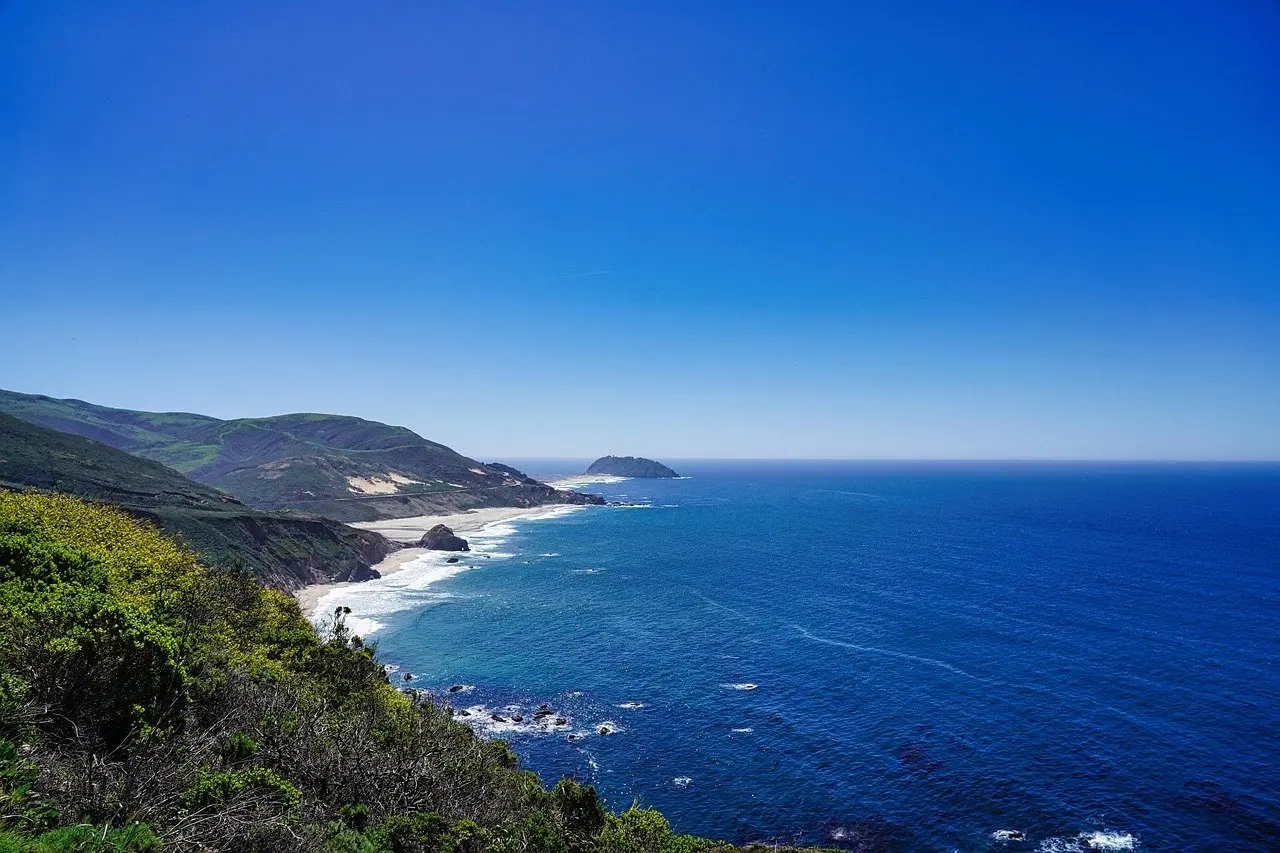
Salt air and wind are the two site conditions that most limit material and form. Matching them early avoids a work that has to be altered or replaced later.
Marine-grade stainless steel for coastal gardens
David Harber says marine-grade stainless steel is good for all gardens, but particularly for coastal areas. The same guidance warns that an oxidised steel sculpture in a coastal location will weather more quickly than a marine-grade stainless steel one.
That makes the choice depend on intent. If a clean, stable surface is wanted beside the sea, marine-grade stainless steel is the safer pick. If rapid change is acceptable or desired, oxidised steel remains an option, but expect it to alter faster there than inland.
Wind and tall forms
The same maker advises anyone in a high-wind area to be aware of tall designs and of sculpture on plinths. Height and a raised base both increase exposure, so a low, broad form is the more cautious choice on an open headland or hilltop. A tall form can still work, but it should be planned for the wind from the start.
If you want a work that ages visibly
Some artists and owners treat weathering as part of the work. The choice then becomes which metal changes in a way that suits the piece.
Oxidised steel and Corten steel
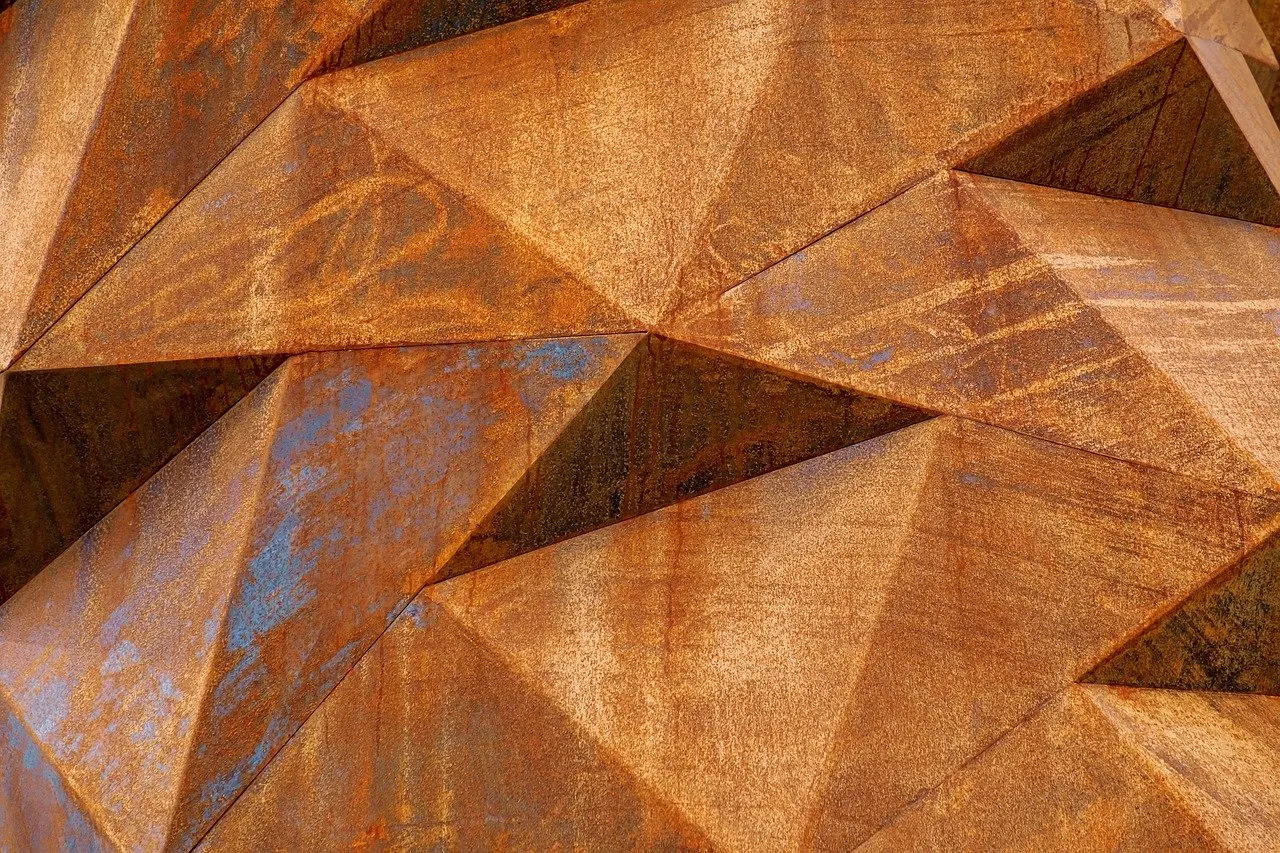
David Harber lists Corten steel and oxidised steel as separate finish categories alongside bronze and copper. It describes copper, oxidised steel and bronze as metals that work with the elements to age gracefully. For winter exposure it recommends high-grade stainless steel or copper, oxidised steel and bronze.
These metals suit a reader who wants the surface to develop a warm, rusted or patinated look rather than stay as installed. They do not suit a reader who wants a surface to look the same year after year. For that, polished or marine-grade stainless steel is the more predictable option.
Polished stainless steel that mirrors the setting
At the opposite end, Torus is described as a large, reflective outdoor sculpture in polished stainless steel, made to mirror its environment. The surface takes on the colour of grass, sky and passing weather, so the landscape becomes part of the image. It suits sites with a strong view or changing light, and it reads very differently from a patinated steel piece in the same spot.

If the work must belong to its place
Site-specific art is made in response to one particular location rather than chosen from stock and set down. Sculpturesite lists a site-specific commission as a distinct option from buying an existing piece or an entire collection, which shows the difference in practice: the place comes first and the work follows.
Placement as part of the design
In a sculpture and landscape relationship, the setting supplies scale, backdrop and weather. A work for a woodland clearing, a headland or a lawn will differ in height, mass and surface because each of those places treats a form differently. The reflective Torus is a clear case, since its finish is chosen so that the surrounding landscape appears in the work.
Where this connects to wider themes
Many artists use placement to make a point about land, energy or human impact. Readers following that thread can continue with art in the anthropocene, or look at art about energy.
If you are responsible for upkeep
Conservation of outdoor sculpture starts with the finish chosen at the outset and then follows a gentle routine.
Routine cleaning
David Harber’s guidance is to wash dirt away regularly and gently with warm water. This is a low-risk routine for owners and caretakers, and it works with finishes that are meant to age rather than against them.
What to avoid
The same guidance says to avoid abrasive chemicals and rough cloths, because they can damage the craftsmanship of the finish. On patinated metals especially, the surface is the work, so scrubbing it to look new can remove the very quality that was chosen. When a piece is valuable or its finish is unusual, ask the maker or a conservator before trying anything stronger than warm water.
Frequently asked questions
| Question | Answer |
|---|---|
| Where and when can the Bascom sculptures be seen? | The works are at 323 Franklin Road, Highlands, NC 28741. The current display runs from April 30, 2024 through April 30, 2026, a period of 2 years. |
| What is a sculpture garden? | It is a curated set of artworks arranged in an outdoor space so that they can be experienced together with nature, according to David Harber. |
| Do all outdoor sculptures need the same care? | No. Each design has its own maintenance requirements, so the maker’s guidance for that piece should take priority over general advice. |