Biogas upgrading to biomethane strips CO2 and pollutants out of raw biogas so the remaining gas behaves like natural gas. Membrane systems are among the most widespread routes, and HoSt reports output of around 97% methane.
This guide belongs to the wider topic of energy recovery from waste methods. The feedstock side is covered in energy from agricultural waste. For a thermal route with a different logic, see energy recovery from plastic waste.
What raw biogas contains and why it needs upgrading
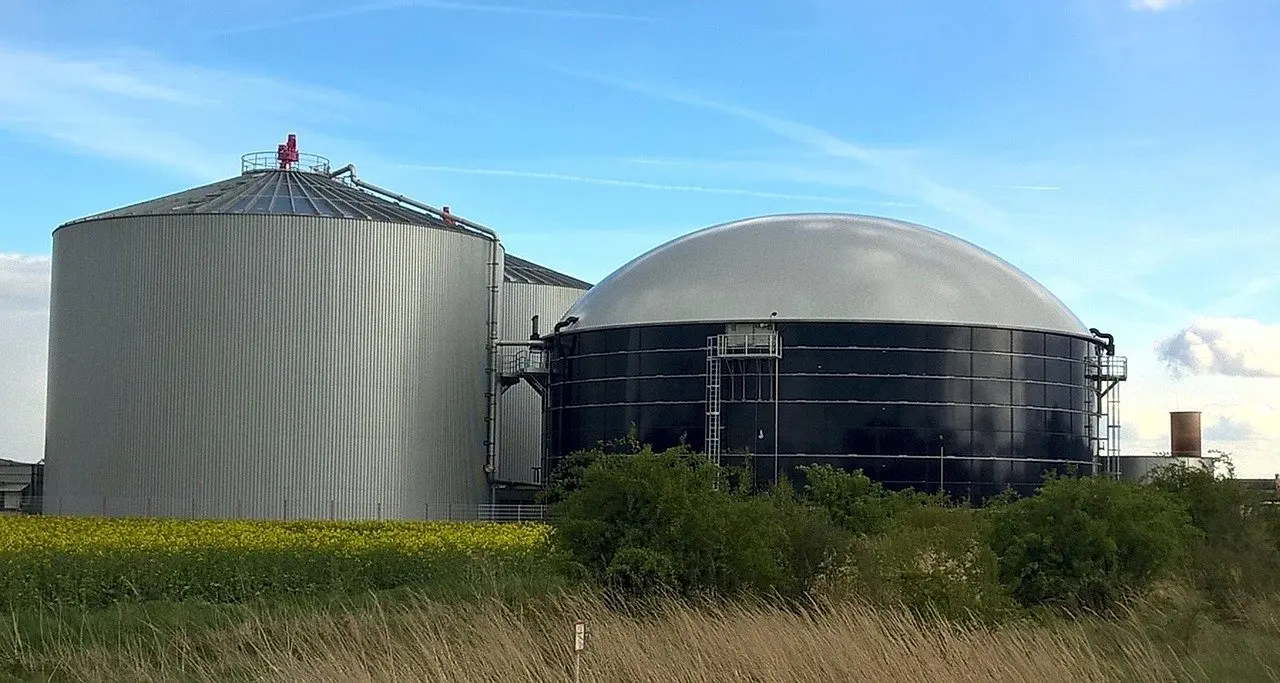
Raw biogas is the gas released when organic material breaks down without oxygen. Gruppo AB lists agricultural biomass, agro-industrial waste and the organic fraction of municipal solid waste as typical anaerobic digestion feedstocks. The feedstock choice shapes what the digester produces, but the upgrading task stays the same: lift the methane share and remove what the network cannot accept.
Raw biogas typically contains 55 to 60% methane, according to HoSt Bioenergy. That is a fuel gas, but not one that can be mixed into a natural gas network as it stands. Gruppo AB gives the reason: upgrading exists to eliminate the components unsuitable for feeding gas into the network, chiefly CO2. In practice this makes upgrading the point at which a local energy product becomes a tradable gas.
The upgrading stages in order
Upgrading is a sequence of treatments, not a single filter. Gruppo AB describes a first pre-treatment step, then a purification phase that removes pollutants such as H2S and VOCs, and finally the separation of methane from CO2. The stages run in this order:
- Pre-treatment. The raw gas is prepared before the main purification equipment.
- Removal of H2S and VOCs. The purification phase takes out these pollutants so they do not travel with the methane.
- Separation of methane from CO2. This is the step most people mean by upgrading, and the one where technologies differ most.
The end result, in Gruppo AB’s words, is the removal of CO2 from raw biogas. For a buyer or planner, the sequence has a practical consequence. A plant is not just a CO2 separator, so the design should account for the pollutant-removal stage as well as the headline technology.
Membrane separation
Membrane separation uses polymeric materials with selective permeability to separate CH4 and CO2. Gruppo AB places selective membranes among the most widespread and effective upgrading technologies. That wording supports calling membranes a common choice. It does not establish them as the single most used technology, so treat it as a description of a mainstream option rather than a ranking.
The appeal is easy to see from the mechanism. Separation relies on the properties of the material rather than on a process that has to be carried out step by step, and the supplier claims this keeps gas loss very low. HoSt says it uses in-house membrane-based upgrading technology to convert biogas into biomethane with a methane concentration of around 97%, suitable for grid injection.
Who membranes suit
Membranes make sense for operators who want a defined, repeatable gas quality and whose priority is keeping methane in the product stream. They are a weaker fit if the specification is unknown, because the purity figure and the loss figure both belong in the supply contract. The purity of around 97% is one supplier’s result with its own technology. It is a useful reference point, not a universal value for every membrane unit or every other technology.
Purity and methane loss: reading the numbers
Two figures decide whether an upgrading route is attractive: how pure the biomethane is and how much methane escapes with the removed CO2. The table collects the supported values and shows how to use each.
| Parameter | Value | Planning use |
|---|---|---|
| Methane in raw biogas | 55 to 60% | Shows how much of the gas stream the unit must separate from the methane. |
| Methane in biomethane, HoSt membrane upgrading | around 97% | A reference point for grid-injection suitability. Check it against the network operator’s own requirement. |
| Biogas loss, membrane upgrading (supplier claim) | almost zero | Write it into the contract as a guaranteed figure rather than relying on the claim. |
| Pollutants removed before separation | H2S and VOCs | Confirm the purification phase is included in the scope of supply. |
Figures are drawn from HoSt Bioenergy and Gruppo AB, both of which are suppliers describing their own technology.
How much methane is lost
Methane that leaves with the CO2 stream is lost product, and in a plant it is also a missed return on the digester’s output. Gruppo AB states that membrane upgrading reduces biogas loss to almost zero. That is a vendor claim, so the sensible reading is that membranes are designed to keep loss low, not that a particular installation will achieve a particular figure. A buyer comparing technologies should ask every supplier for a guaranteed loss figure measured on the same basis, and compare purity, loss and energy use side by side before choosing.
Biomethane grid injection
Grid injection means feeding the upgraded gas into the natural gas network. The reason upgrading comes first is stated plainly by Gruppo AB: CO2 is not suitable for network feed, so it is removed before the gas goes in. HoSt describes its roughly 97% methane output as suitable for grid injection, which shows the upgrading step is aimed at meeting the network’s needs.
Once upgraded, biomethane is completely similar to natural gas, Gruppo AB says, and can therefore use existing transport and storage infrastructure. This is the main practical advantage over using biogas on site. The producer does not need a dedicated pipeline or storage system for the product, and the gas can reach users beyond the plant’s immediate neighbourhood.
What to settle with the network operator
The supplied evidence establishes why CO2 must go and that the infrastructure is shared. The detailed connection conditions are set by the network operator, so the operator’s injection requirements should be obtained at the planning stage. The specification then drives the choice and sizing of the upgrading unit, not the other way round.
End use after upgrading
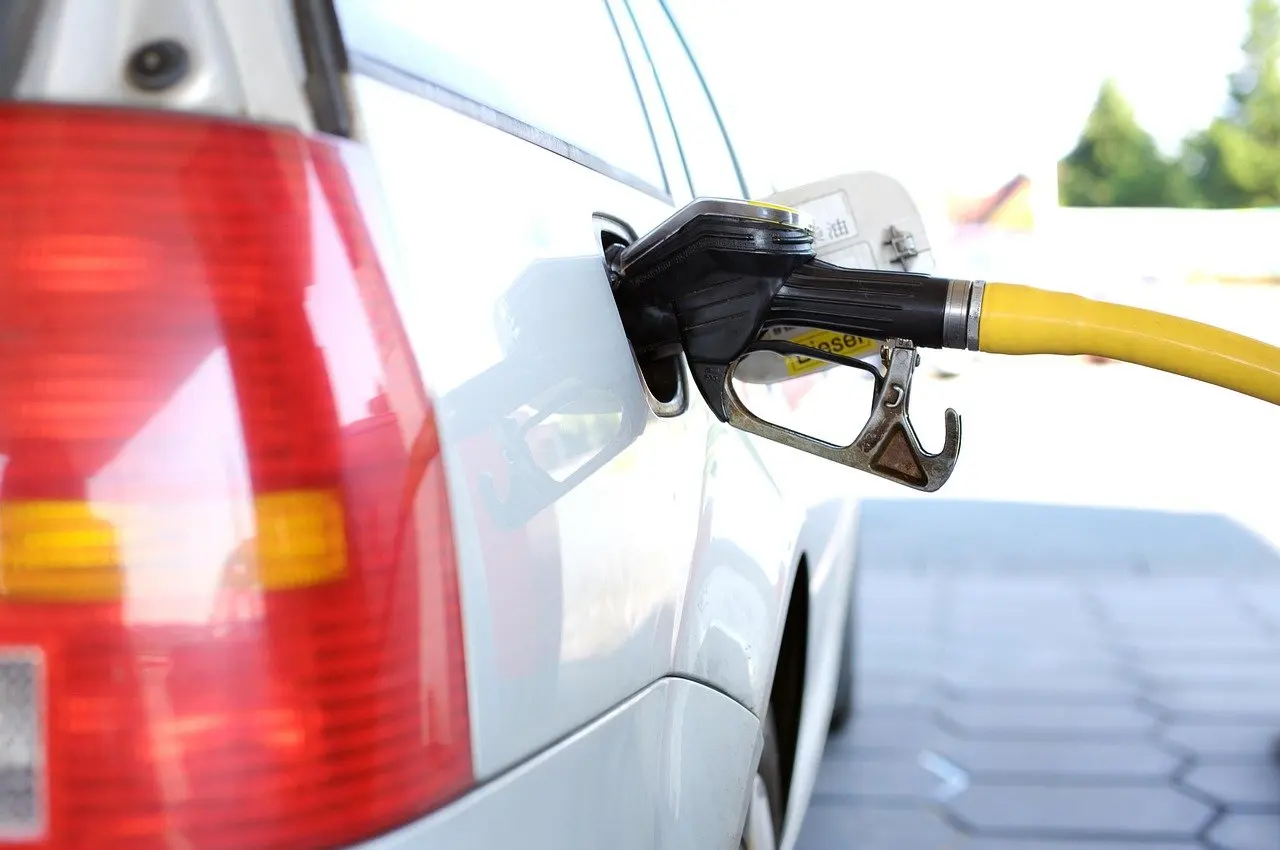
Because biomethane is completely similar to natural gas, the natural destinations are applications already built around natural gas. Network supply is the most direct, since the existing infrastructure carries the gas. Fuelling gas-powered vehicles is another route where the product is dispensed rather than piped to a boiler or plant.

This flexibility is the strongest argument for upgrading over burning raw biogas locally. The gas is no longer tied to the site where it was produced, and the producer can serve whichever end use pays best or is nearest.

Checks before choosing an upgrading route
- Start with the injection specification. The operator’s requirement defines the methane purity the unit must deliver. A figure such as around 97% is a supplier example, not a standard.
- Ask for loss in writing. A claim of almost zero loss is encouraging for membranes, but only a contractual figure protects the producer’s methane yield.
- Confirm pollutant removal is covered. H2S and VOCs are removed in a purification phase ahead of the CO2 separation, so check that it forms part of the plant.
- Match the unit to the feedstock gas. Raw biogas at 55 to 60% methane is typical, but a particular digester can differ, so use measured data for the design.
Frequently asked questions
Is biomethane the same as natural gas?
Gruppo AB describes upgraded biomethane as completely similar to natural gas. That similarity is why it can use existing transport and storage infrastructure.
What is raw biogas made from?
It comes from anaerobic digestion of materials such as agricultural biomass, agro-industrial waste and the organic fraction of municipal solid waste.
Is a methane concentration of around 97% a fixed standard?
No. It is the output HoSt reports for its membrane-based upgrading and is described as suitable for grid injection. The requirement that applies to a given plant comes from the network connection.
Does upgrading remove anything besides CO2?
Yes. A purification phase removes pollutants such as H2S and VOCs, and a pre-treatment step comes before it.