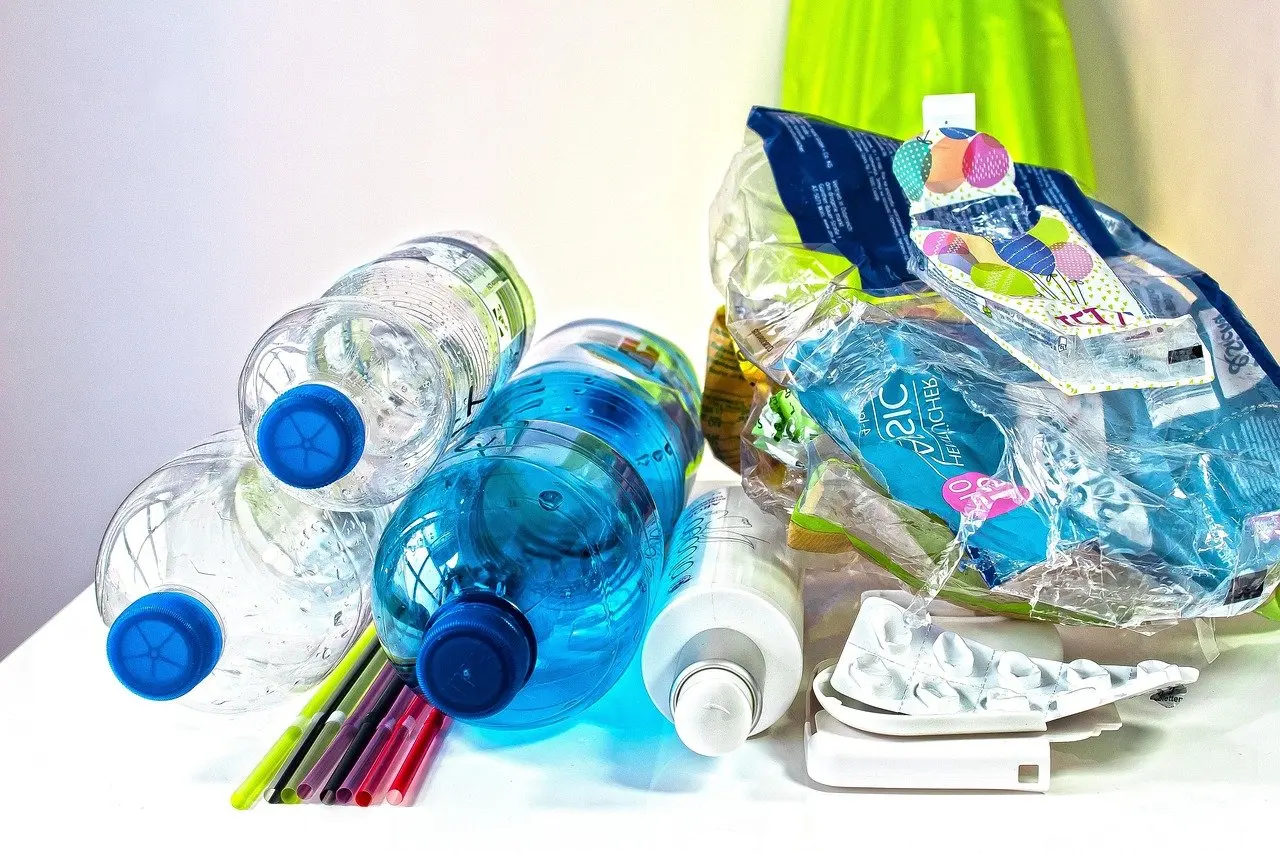
When mixed plastic film and packaging cannot be recycled, energy recovery from plastic waste is the next option: burn it for heat, or convert it by pyrolysis or gasification into fuel or gas. Which route fits depends on how clean and uniform the plastic is.
This guide helps match leftover plastic to a route and shows where each sits against recycling. The hub on energy recovery from waste methods places plastic alongside the other recovery routes.
Plastic that recycling cannot take
Energy recovery suits plastic that cannot be sorted into a clean, single-polymer stream. Industry guidance on plastic waste as fuel reports that only 9% of plastic is recycled, with 12% incinerated. The two shares are close, which shows how much plastic ends up outside the recycling stream.
Why some plastic fails mechanical recycling
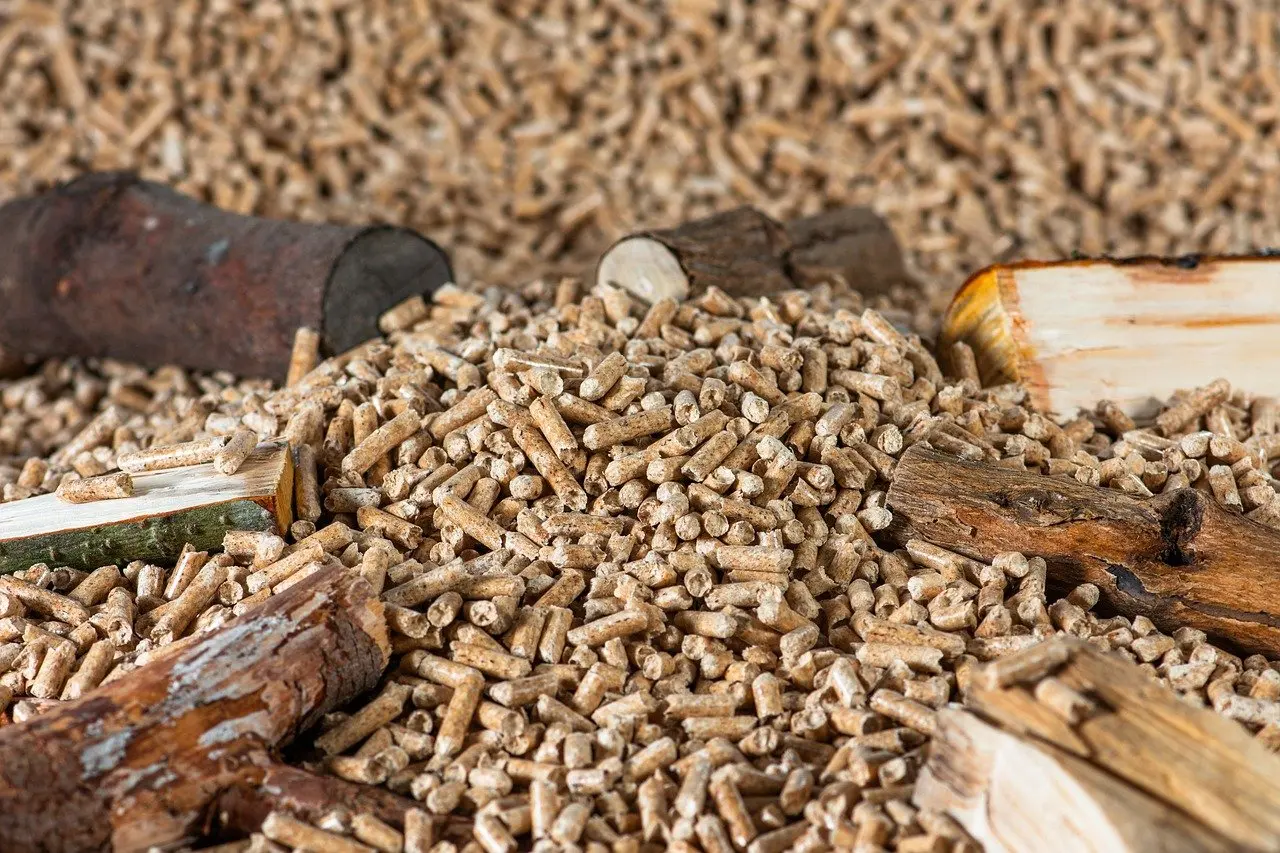
Mechanical recycling turns plastic into granules, and the molecular structure is retained. That works when the input is clean and sorted. The same guidance notes that sorting methods able to separate food-grade plastics are not yet available at scale. Mixed, multi-material and hard-to-sort items therefore tend to fall out of the recycling stream.
Where energy recovery sits
In the waste hierarchy, energy recovery ranks below prevention and recycling but above landfill. Plastic that can be recycled should go to recycling first. Energy recovery is the better destination for hard-to-recycle or non-recyclable plastic, because it keeps that material out of landfill.
Burning plastic for heat: incineration
Incineration is the direct route. Plastic-rich residual waste is burned and the heat released is put to use. It needs the least preparation of the options here and accepts mixed plastic that a chemical process would struggle with.
That tolerance is the main reason to choose it for leftover film and mixed packaging. The trade-off is that the plastic is consumed rather than converted into a new fuel or feedstock, and combustion brings the emission questions covered below.
Pyrolysis and gasification: turning plastic into fuel or gas
Pyrolysis and gasification are the two chemical processes currently used to convert plastic waste into an energy carrier. The industry guidance describes both, and they differ in conditions, products and tolerance for mixed input.
Diagnostic comparison
| Route | Operating conditions | Main output | Planning use |
|---|---|---|---|
| Pyrolysis | 300-500 °C (572-932 °F), oxygen-free | Simpler hydrocarbons, giving fuels such as gasoline, diesel, kerosene or similar | Suits plastic where a liquid fuel or chemical feedstock is the goal and the input is relatively consistent |
| Gasification | 500-1300 °C with steam, oxygen or air | Synthesis gas (syngas), which can be used to produce fuel for cells | Suits mixed plastics, which it can process together with other feedstock |
The figures come from the industry overview of plastic waste fuel.
Pyrolysis in practice
In pyrolysis, the plastic undergoes thermal decomposition and breaks down into simpler hydrocarbon molecules. Polymer structure matters: molecules with a high degree of branching crack more easily than linear ones. The feedstock is also variable and differs by country and polymer, so a pyrolysis operator needs a clear picture of the incoming plastic before committing to this route.
Gasification in practice
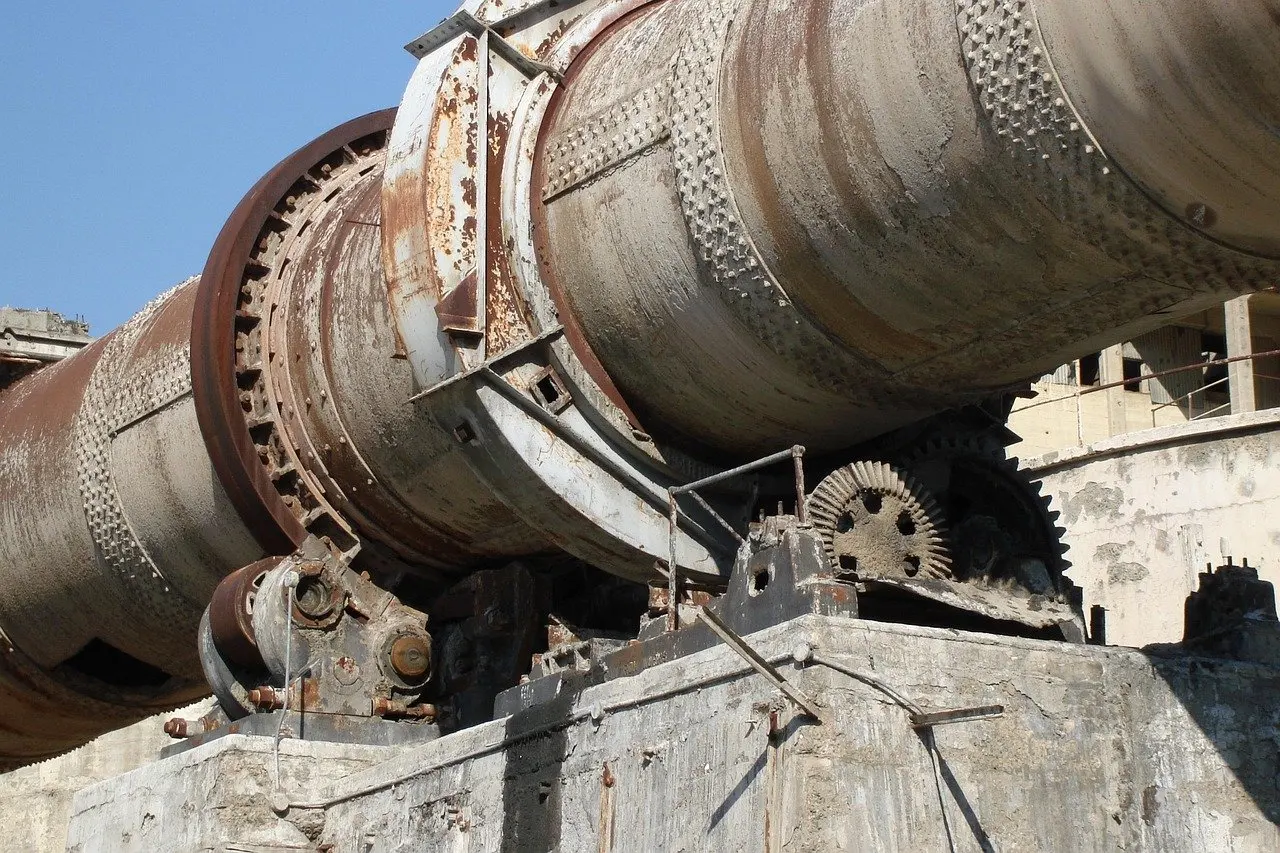
Gasification reacts the plastic with a gasifying agent such as steam, oxygen or air at high temperatures. It offers greater flexibility to add value to plastics of different composition or mixtures. For a mixed, variable stream, gasification therefore copes better than pyrolysis. Pyrolysis is the stronger choice when a consistent plastic stream and a liquid fuel are the aim.
Compounds from these processes can be used instead of fossil-fuel-based alternatives in existing production lines. That reuse is a practical advantage of chemical routes over simple burning.
Preparing plastic before it goes to any process
Fuel preparation decides whether a plastic stream is usable. The guidance describes sorting to remove non-plastic materials such as paper or metal. The plastic is then shredded into small pieces to increase the surface area and improve the efficiency of the process.
For anyone supplying plastic rejects, the practical point is that cleaner, better-sorted loads are easier to process. Contamination with paper or metal is removed before the plastic is processed, and that removal is a cost on the supplier’s side.
Emissions, costs and other concerns
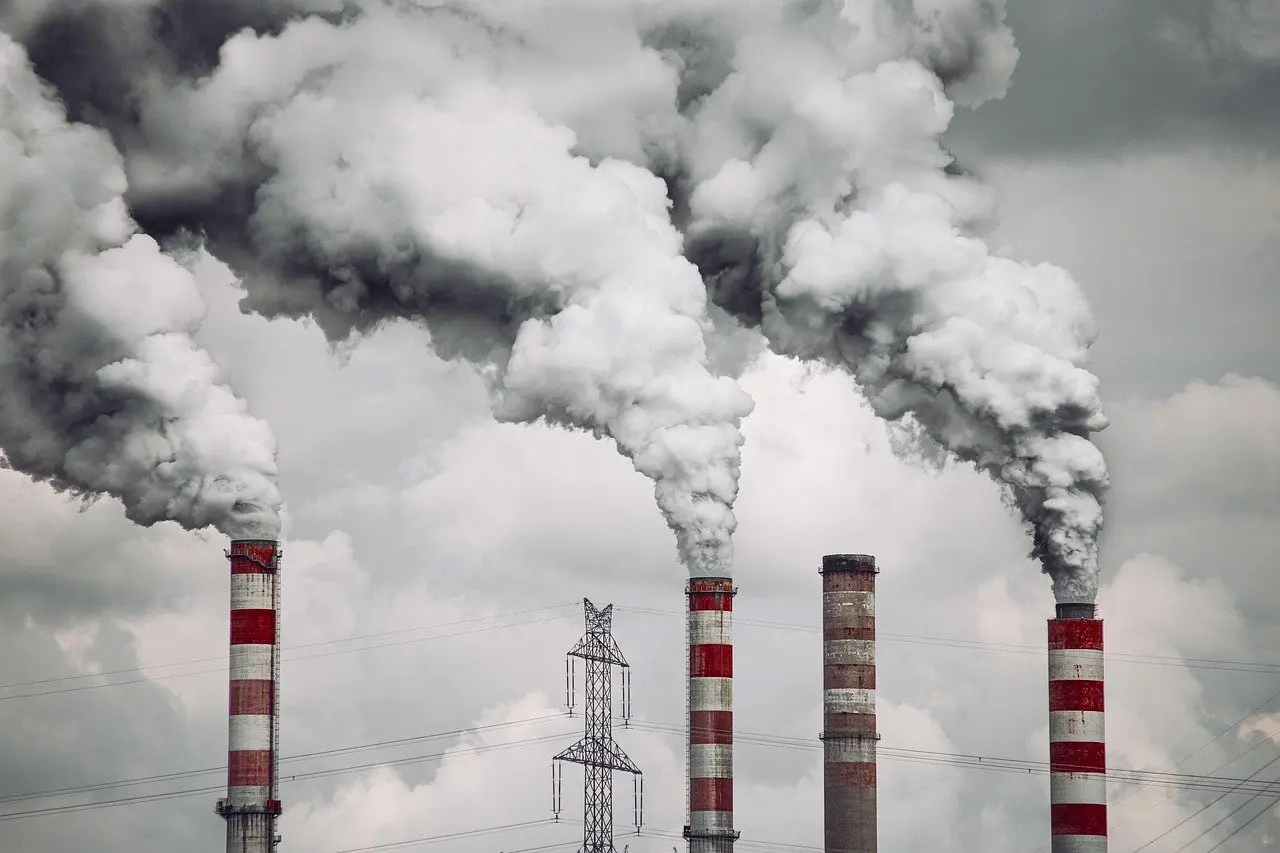
Emissions are the main concern. Processing plastic can release nitrogen oxides, sulphur dioxides, particulate matter and other harmful pollutants, according to the industry guidance on plastic waste fuel. Any plant proposal should be judged on how these releases are controlled, not only on the energy it recovers.
Cost profile
The same guidance says operating costs are comparatively low, but setting up a new unit can be costly. A project therefore depends on a steady supply of plastic over many years. That favours sites with reliable access to a consistent input.
Handling the products
Oil made from plastic is not a like-for-like diesel substitute, as the question of its flash point shows below. Storage and handling practices need to reflect the product’s properties rather than assume diesel behaviour.
Choosing a route for leftover plastic
- Clean, single-polymer plastic: keep it in mechanical recycling, which retains the molecular structure of the plastic.
- Mixed or contaminated plastic with no recycling outlet: incineration with energy recovery or gasification, since both tolerate variety better.
- Consistent plastic where liquid fuel is wanted: pyrolysis, accepting that feedstock and polymer type affect how easily it cracks.
- Prepared loads: sort and shred first whichever route is chosen.
Energy recovery is not limited to plastic or to burning. For a building-side example of reusing heat that would otherwise be lost, see how does heat recovery ventilation work. Wet organic waste follows a different path, covered in biogas upgrading to biomethane.
Frequently asked questions
| Question | Answer |
|---|---|
| Can plastic be turned into hydrogen? | Yes. Plastics can also be processed to harvest hydrogen, in addition to the fuels and syngas produced by pyrolysis and gasification. |
| Is plastic oil a drop-in replacement for diesel? | No. Oil from plastic waste has a flash point more than 20% lower than regular diesel, and below 40 °C, according to the industry guidance. It needs handling suited to that property. |
| Does energy recovery solve the plastic problem? | No. It does not resolve the issue of over-reliance on plastics. It only gives non-recyclable plastic a destination other than landfill. |
| What limits the plastic supply for these plants? | A lack of incentives and of proper waste collection systems can hinder the availability of waste plastic feedstock. |