| Route | Typical input | Main output | Planning use |
|---|---|---|---|
| Anaerobic digestion (biogas) | Wet organic waste such as food waste, sewage sludge and manure | Biogas for engines, boilers or upgrading | Start here when the waste is wet and biodegradable. |
| Biomethane upgrading | Biogas from digesters | Gas that can substitute for natural gas | Consider when a gas network or fuel customer is within reach. |
| Landfill gas | Gas released by buried, decomposing waste | Gas for engines or heat | Relevant only where a landfill already exists. |
| Incineration with energy recovery | Residual mixed waste | Steam, electricity and heat | Suits waste that cannot sensibly be reused or recycled. |
| Gasification and pyrolysis | Dry, carbon-rich waste such as plastics and biomass | Syngas, oils and char | Specialist routes; feedstock consistency decides viability. |
| Cogeneration | Fuel gas or other fuel | Electricity plus useful heat | Choose when a steady heat demand sits close to the engine. |
| Industrial waste heat recovery | Hot exhaust gases and process streams | Reused heat or power | Choose at factories with hot streams that currently go to waste. |
| District heating | Heat from plants and industry | Heat delivered to buildings | Works where a plant lies near dense heat demand. |
Market context for biogas and biomethane in this guide comes from Staffetta Online’s European overview; the routes themselves are compared on qualitative criteria.
Energy recovery from waste methods split into biological routes that make biogas, thermal routes that burn or convert waste, and heat recovery that reuses warmth. Start with the waste on hand, because its moisture and composition decide the route.
Each route below points to a deeper guide. The closing section explains how to judge them with energy recovery efficiency measures rather than headline claims, so that a biological plant and a thermal plant can be compared on equal terms.
Choosing where to start
The right first step depends on what the waste is, where it arises and who can use the energy. Matching those three facts to a route avoids the most common planning mistake, which is picking a technology first and then hunting for feedstock.
- Wet organic waste. Food waste, sewage sludge and manure suit biological digestion, which turns the material into biogas without drying it first. Drying wet waste for combustion costs energy, so a thermal route is usually the weaker choice for these streams.
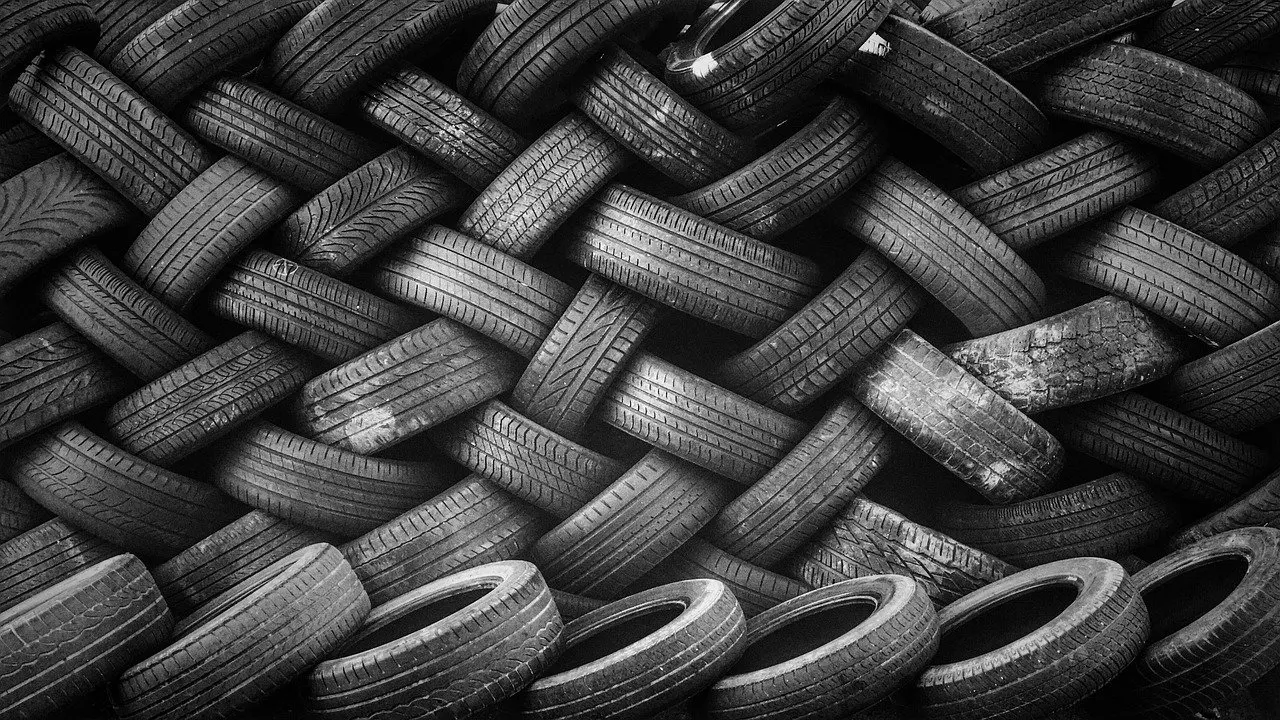
- Dry, carbon-rich residues. Plastics, tyres, wood and dry crop residues carry fuel value and tolerate thermal treatment. Gasification and pyrolysis are options, as is direct combustion.
- Mixed residual waste. Waste left after separate collection is normally handled by incineration with energy recovery, which produces steam for power, heat or both.
- Hot industrial streams. A factory that discharges hot exhaust gas or hot process water already holds a recovery opportunity, and it needs no fuel at all.
- A single building. Ventilation heat recovery captures warmth from outgoing air and belongs to building design rather than waste treatment.
Two conditions cut across every route. First, the energy needs a user: electricity can usually be exported, but heat is only valuable if a customer is close enough to receive it. Second, a recovery route does not replace waste prevention or recycling; it is a way of using value that remains once those options are exhausted. Both conditions are worth settling before any technology is shortlisted.
Biological recovery: biogas and landfill gas
Biological routes use microorganisms to break down organic material and release a combustible gas. They are the natural first choice for wet, biodegradable waste, and they feed directly into the biomethane market covered in the next section.
Anaerobic digestion and what feeds it
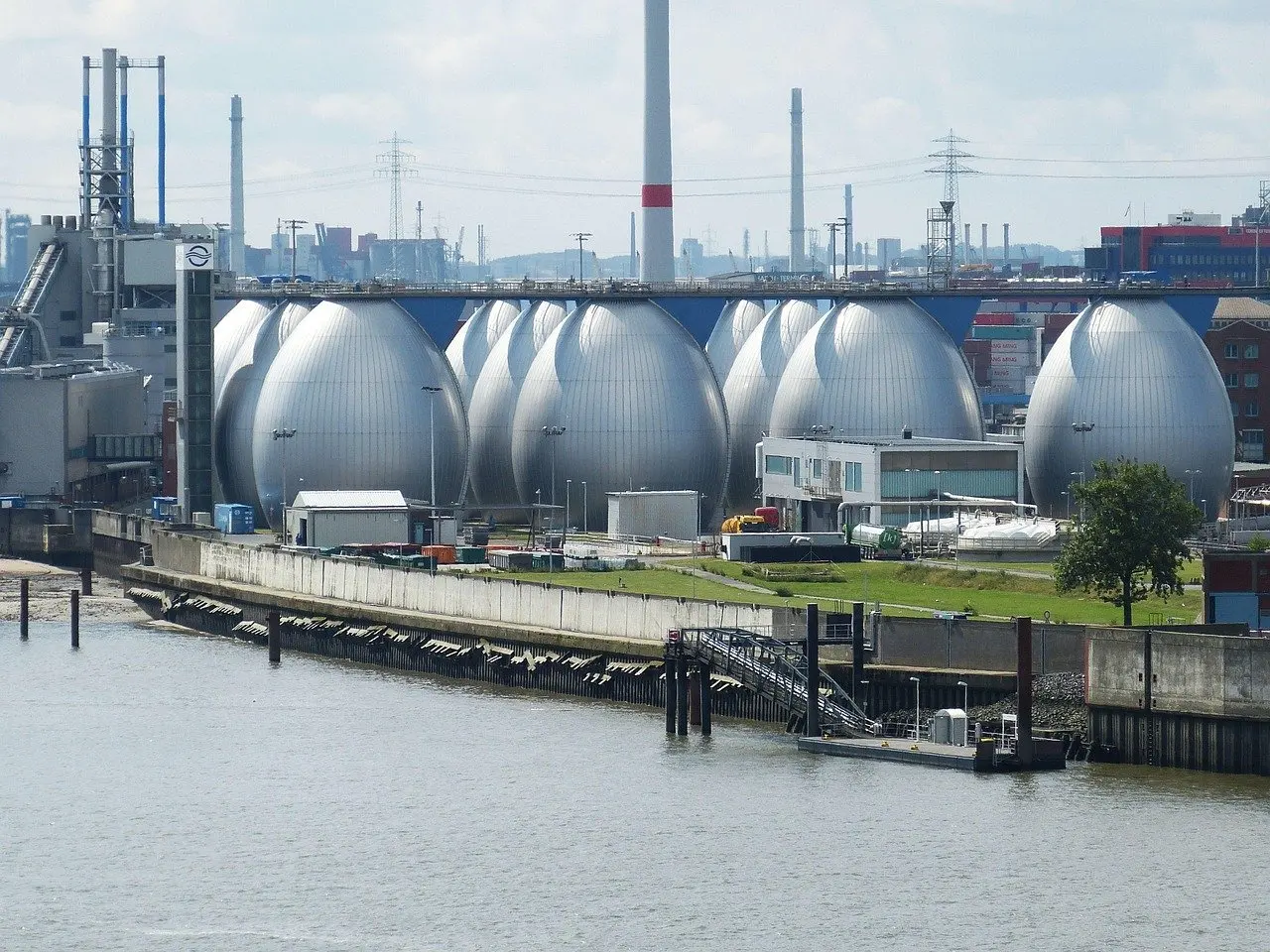
Anaerobic digestion happens in sealed tanks without oxygen. The organic input is converted into biogas, which can run an engine, fire a boiler or be upgraded into a cleaner gas. The solid and liquid residue left in the tank is a separate output with its own uses and handling rules.
Feedstock is the main design variable. A plant fed by source-separated food waste, by sewage sludge or by farm manure will differ in layout, pretreatment and the contaminants it must remove. Consistent supply matters more than peak capacity, because a digester performs best when its input is steady in quantity and composition.
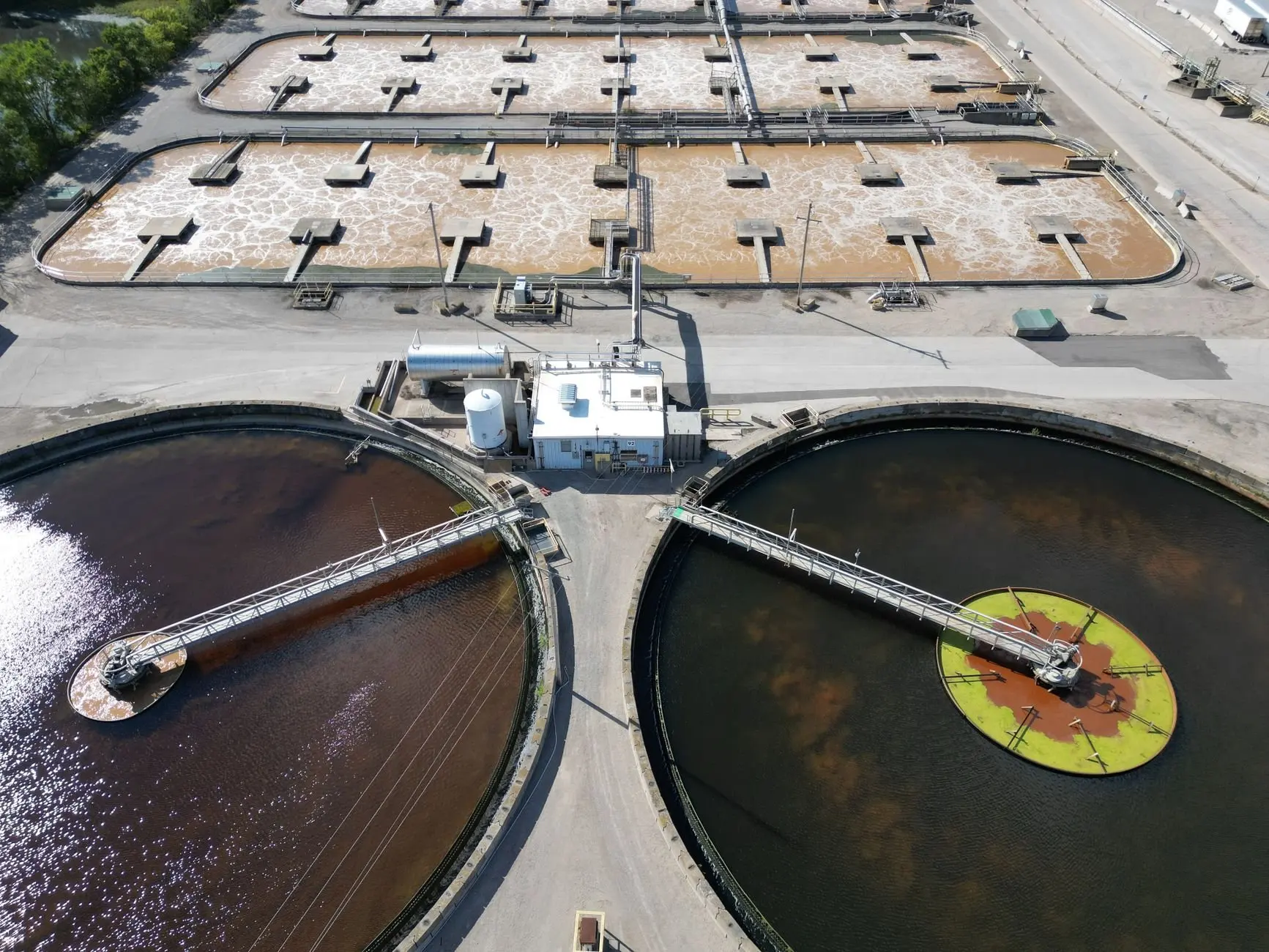
Biogas has benefits beyond the energy itself. An industry overview published by Staffetta Online notes that the waste management and regenerative agriculture benefits of biogas are not fully rewarded by current policy. For a project developer, that means the business case should not rest on energy sales alone, and the waste-treatment side of the plant deserves its own accounting.
Landfill gas
Buried waste decomposes slowly and releases gas, which can be drawn off through wells drilled into the waste body and piped to a central point. Once collected, the gas can fuel engines or boilers. The route makes sense only where a landfill already exists, because it recovers energy from waste that has been placed rather than creating a new treatment capacity.
Landfill gas differs from digester biogas in one important respect: the operator does not control the input. The mixture of waste, its age and the cover on the site all shape how much gas is available over time, so engine capacity should be planned around the gas the site can realistically deliver, not around a design maximum. A site with declining gas flow may need smaller, modular engines that can be moved or shut down.
Agricultural and biomass residues
Farms generate manure, crop residues and processing by-products that suit digestion or combustion, depending on moisture. Wet material such as manure belongs in a digester, while dry straw-type residues are better candidates for thermal conversion. A guide on energy from agricultural waste goes through these farm-scale choices in more detail.
Where residues are woody or fibrous and collected in volume, combustion and conversion routes come into play. The wider picture of energy from biomass residues covers how organic leftovers from forestry, farming and food processing compare as fuels.
Biomethane: upgrading and the European market
Biomethane is biogas that has been upgraded so it can stand in for natural gas. It is the route that links biological waste treatment to the gas grid and to transport fuel, which makes it the fastest-moving part of the biogas sector in Europe.
What upgrading changes
Raw biogas can be burned on site, but it is not interchangeable with natural gas. Upgrading cleans and refines it so that it can be injected into a network or used as a vehicle fuel. The choice between burning biogas in an on-site engine and upgrading it is a real fork in the plan: an engine suits a site with its own power and heat demand, while upgrading suits a site near a gas network or a fuel customer. The full process, including the main upgrading technologies, is set out in biogas upgrading to biomethane.
Scale and growth in Europe
The sector is already substantial. According to the Staffetta Online overview, European biomethane production rose 20% to 3.5 bcm in 2021, while combined biogas and biomethane output reached 18.4 bcm. The same report counts 1,322 biomethane-producing facilities in operation in April 2023.
Growth is uneven across countries. The strongest growth in biomethane production came from France, Denmark and Germany. For a planner in Italy, that pattern suggests looking at how those markets organised grid connection and support, because the pace of growth reflects the framework around the plants as much as the technology.
Targets and investment
The REPowerEU plan sets a target of 35 bcm of sustainable biomethane production annually by 2030, which the same Staffetta Online report equates to 20% of the gas volumes imported from Russia before the war in Ukraine. The European Biogas Association estimates that reaching it requires investment of €83 billion.
Planned investment is concentrated in two countries: France at €1.4B and Italy at €1.1B. Two practical readings follow. A project in Italy operates in one of the two largest planned-investment markets, so equipment suppliers and grid operators are likely to be active there. At the same time, a target is a policy ambition, not a guarantee of demand for any single plant, so each project still needs its own feedstock contract and offtake arrangement.
Thermal recovery from waste
Thermal routes extract energy by heating waste, either with enough air to burn it fully or with limited air to convert it into fuel gases and liquids. They handle drier and more varied material than digestion, but they demand tighter control of emissions and feedstock.
Incineration with energy recovery
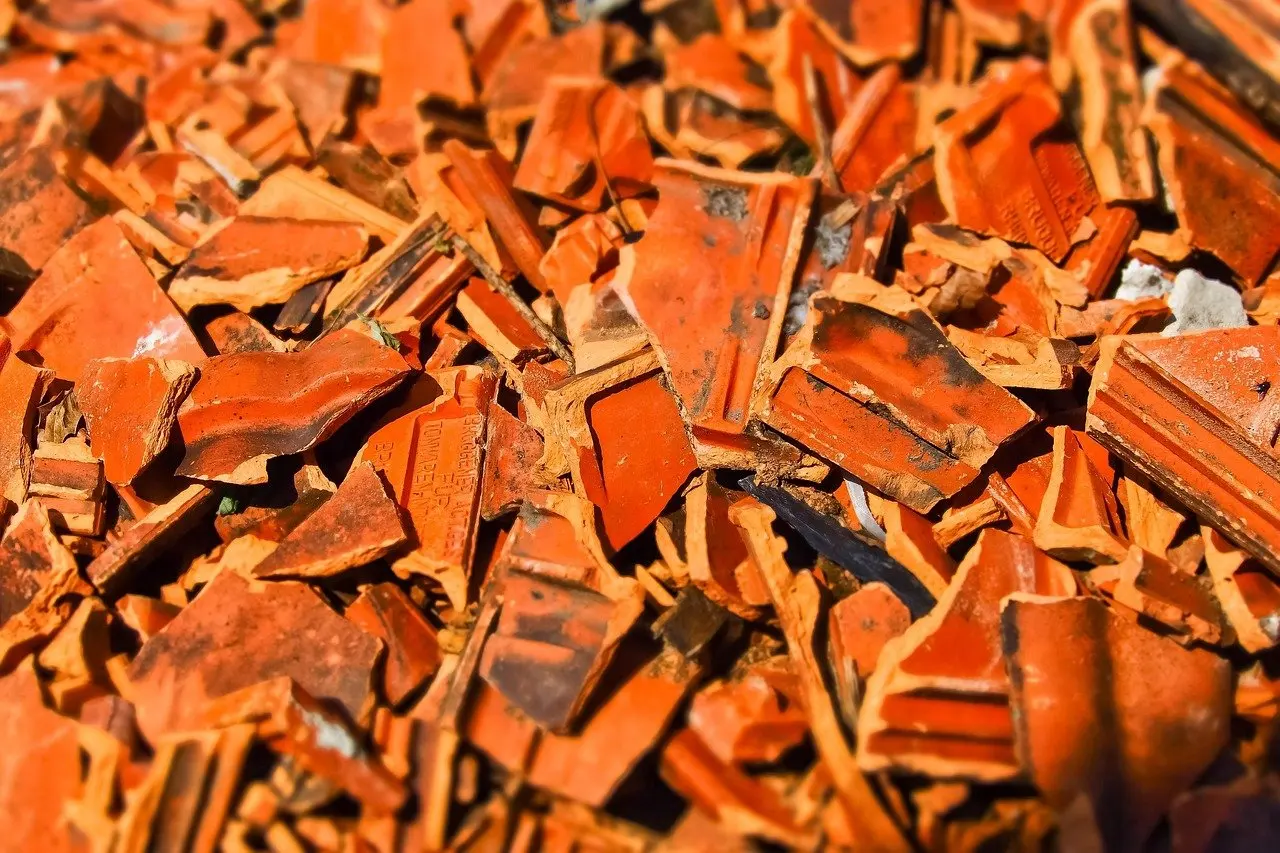
Incineration burns residual waste in a furnace, and a boiler turns the heat into steam for electricity, heat supply or both. It is the established route for mixed waste that remains after separate collection. How the furnace, boiler and flue-gas cleaning fit together is explained under how does waste incineration with energy recovery work.
The decisive planning question is the use of the heat. An incinerator that sells only electricity wastes much of the energy it releases, whereas one connected to a heat network or an industrial customer uses more of it. This is why the choice of site matters as much as the choice of furnace.
Gasification, pyrolysis and plasma
Gasification and pyrolysis heat waste with little or no oxygen, so the material converts into gas, oil or char instead of burning outright. They suit relatively uniform, dry, carbon-rich input. If you want to understand the process step by step, how does waste gasification work covers it, and the companion topic of pyrolysis waste to energy shows how the products differ when no oxygen is supplied.
A third variant uses an electric plasma torch to reach very high temperatures. It is a specialist route, discussed in plasma gasification waste, and it is best viewed as an option for difficult waste streams rather than a default choice.
Choosing among these three comes down to feedstock and ambition. Pyrolysis and gasification need consistent input, so a supplier able to guarantee composition holds a real advantage. Plasma systems add cost and complexity, so they make sense only where the waste is hard to treat any other way.
Plastics as a feedstock
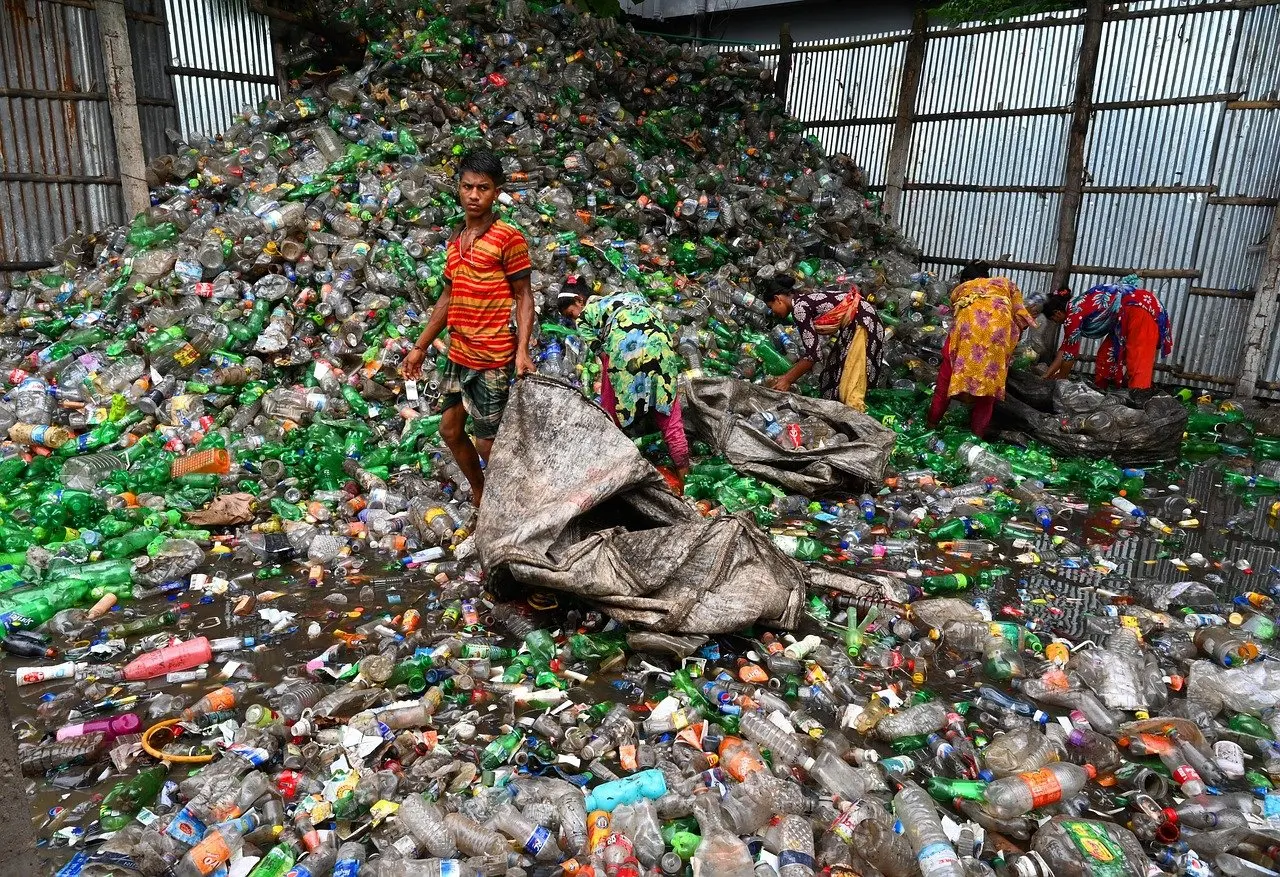
Plastic waste that cannot be recycled carries fuel value and is a frequent candidate for thermal recovery. Because plastics vary widely in type and contamination, the route chosen affects emissions control, product quality and operating stability. A dedicated guide to energy recovery from plastic waste sets out which routes fit which kinds of plastic.
Turning recovered energy into power and heat
Whatever the source, recovered energy ends up as electricity, heat or both. The conversion step determines how much of the fuel’s energy reaches a customer, so it deserves as much attention as the treatment process upstream.
Cogeneration
Cogeneration, also called combined heat and power, uses one fuel to produce electricity and useful heat at the same time. The heat that an engine or turbine would otherwise reject is captured and delivered to a heat user. It pairs naturally with biogas engines and landfill gas engines, and the mechanics are covered in how does cogeneration work.
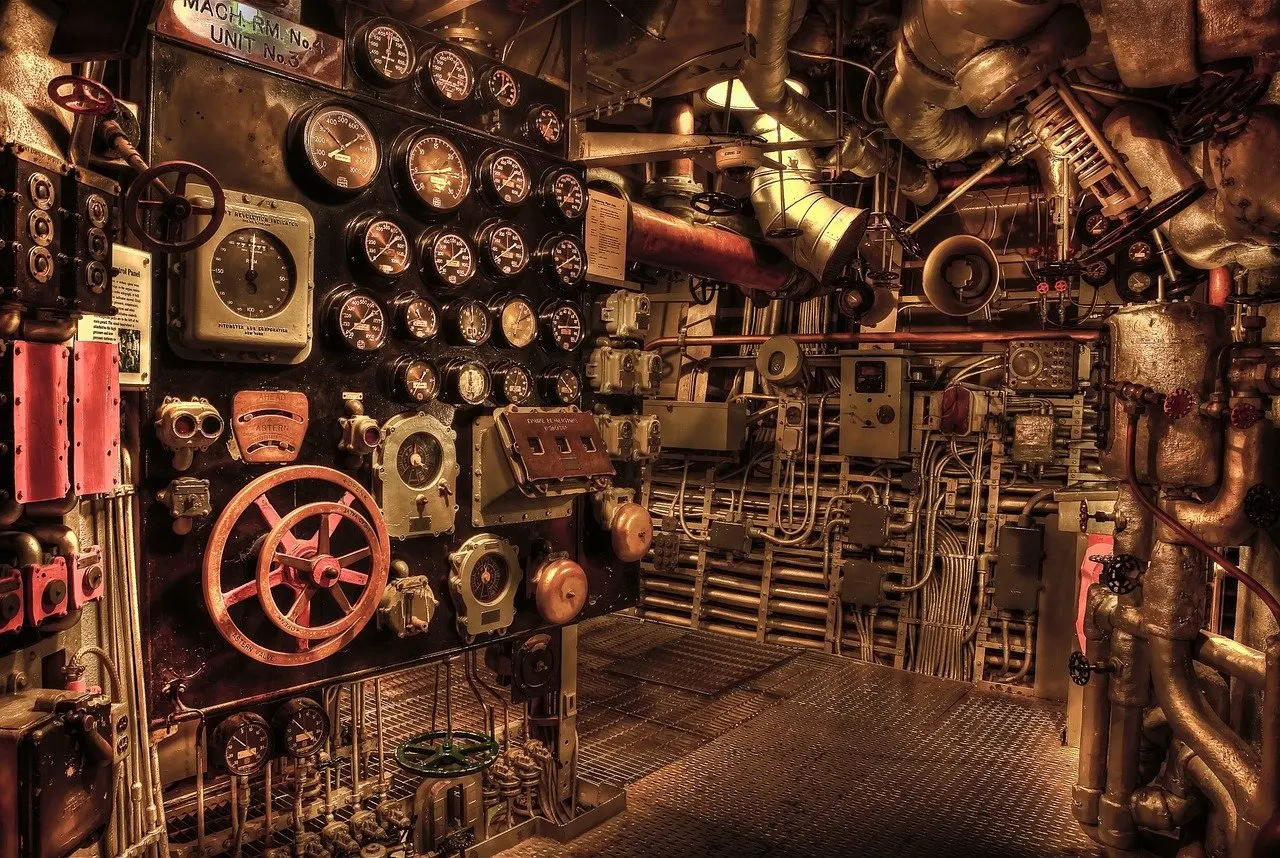
Cogeneration is attractive only when the heat has somewhere to go. A unit running next to a steady heat demand, such as a hospital, a food factory or a heat network, uses its output well. A unit with no nearby heat user falls back to being an electricity generator that discards heat, which removes the main advantage.
Organic Rankine cycle
An organic Rankine cycle converts moderate-temperature heat into electricity using a working fluid that boils at a lower temperature than water. It is used where heat is available but too cool to drive a conventional steam turbine. The technology and its trade-offs are explained in organic rankine cycle waste heat recovery.
The decision between generating power from waste heat and using the heat directly is a practical one. If a customer for heat exists nearby, direct use is simpler. If not, converting the heat to electricity gives the energy a use that does not depend on a local buyer.
District heating
District heating moves hot water through insulated pipes from a source to many buildings. Heat from waste plants, industry and cogeneration units can feed such a network, which gives otherwise unused heat a purpose. The approach is covered in district heating from waste heat.
Networks reward density. Buildings close together with a steady winter heat demand make a network worthwhile, while scattered buildings make the pipework disproportionately costly. A recovery project should therefore be assessed together with the heat map of its surroundings.
Waste heat and building heat recovery
Heat recovery requires no waste fuel at all. It captures warmth already produced by an industrial process or a ventilation system and puts it to work again, which makes it a useful complement to the routes above and often the simplest to start.
Industrial waste heat
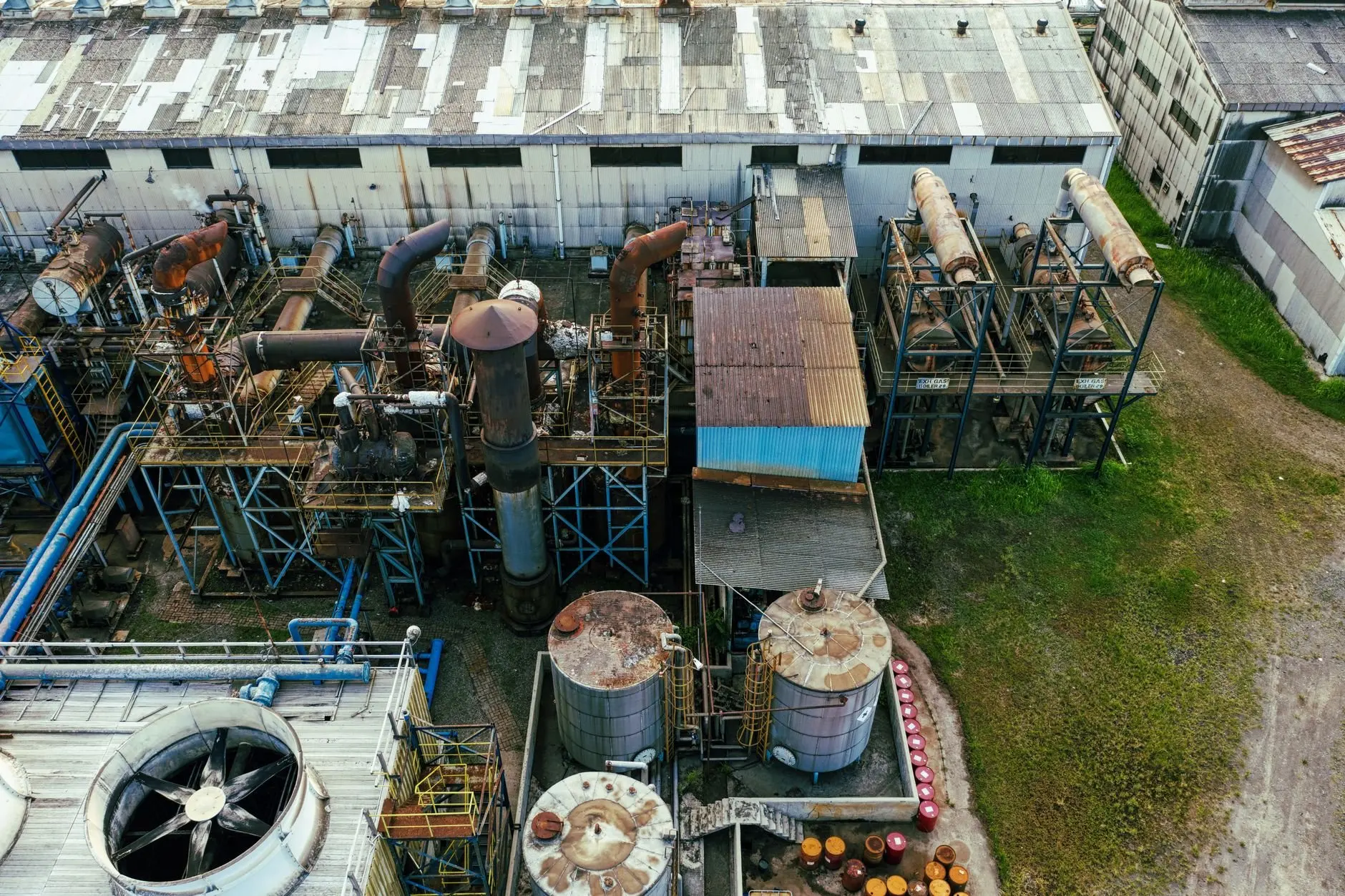
Furnaces, kilns, compressors and engines release hot gases or liquids that can be intercepted and reused. Guidance on what is waste heat recovery explains how to identify sources and match them to uses. The best targets are streams that are hot, continuous and close to a use for the heat.
Matching source and use is the main task. A stream that runs only in short bursts, or sits far from any demand, will deliver less than its temperature suggests. Continuous operation near a heat user tends to give a stronger case.
Heat exchangers
The hardware that moves heat from one stream to another is the heat exchanger. Designs differ in how they handle fouling, pressure and temperature, and the right choice depends on the fluids involved and how dirty they are. A comparison of types of heat exchangers for heat recovery helps narrow the options before equipment is specified.
Ventilation heat recovery in buildings
Buildings lose heat through ventilation air, and recovery units transfer warmth from outgoing air to incoming air. It is the recovery route that most households and small businesses can actually act on. Details of how the units work and where they fit are in how does heat recovery ventilation work.
Comparing routes and checking performance
Comparing routes fairly means using the same questions for each one. Efficiency and yield figures are only comparable when they describe the same output, so it is worth asking what a number measures before relying on it.
Criteria that make routes comparable
- Feedstock fit. Wet organic waste points to digestion, dry carbon-rich waste to thermal routes, and hot streams to heat recovery. A route that mismatches its input wastes energy on pretreatment.
- Form of the output. Electricity travels easily, gas can enter a network, and heat needs a nearby user. The form of output restricts who can buy it.
- Heat use. Any route that produces heat should be judged on whether the heat is used. A plant that exports only electricity leaves a large share of its energy unused.
- Supply stability. A route that depends on a steady, predictable input is easier to finance and operate than one fed by variable material.
- Policy and market conditions. Biomethane in particular depends on targets, grid access and support schemes, as the European figures above show.
Where a published efficiency figure is quoted, check whether it refers to electricity only, heat only or both combined. A combined figure for a cogeneration unit is not comparable with an electricity-only figure for a conventional power plant, and the guide on energy recovery metrics linked earlier is the place to resolve such differences.
Materials that do not belong in energy recovery
Not every waste stream has fuel value. Inert mineral waste, such as broken tiles, bricks and rubble from construction and demolition, does not burn and does not digest. It should be planned as a separate stream, not forced into a recovery route.
Sorting at source is what keeps recovery plants working well. Removing inert and unsuitable material before treatment protects equipment and keeps the input matched to the route chosen.
A sensible sequence
- Identify the waste streams and classify each as wet organic, dry carbon-rich, mixed residual or inert.
- Map any hot industrial streams and potential heat users nearby.
- Match each wet organic stream to digestion, and decide whether to burn the biogas on site or upgrade it to biomethane.
- Assess dry and residual streams for thermal routes, and settle the heat outlet before choosing technology.
- Compare the shortlisted options on the same efficiency basis and the same output form.
Frequently asked questions
What is the difference between biogas and biomethane?
Biogas is the raw gas released when organic waste is digested without oxygen. Biomethane is biogas that has been upgraded so it can replace natural gas, which is why it can be fed into gas networks. The scale of the sector is shown by the 1,322 biomethane facilities counted in April 2023 by Staffetta Online.
Which recovery route suits wet food waste?
Anaerobic digestion is the usual fit, because it works with wet, biodegradable material and yields biogas. Thermal routes need the waste to be dry enough to treat efficiently, so they are generally better for other streams.
Why does cogeneration depend on having a heat user nearby?
Cogeneration produces electricity and heat together, and heat cannot be moved far without losses. If there is no nearby customer for the heat, the unit behaves like an ordinary generator and loses its main advantage.
How much investment is planned for biomethane in Italy?
Italy has €1.1B of planned biomethane investment, second to France at €1.4B, according to the Staffetta Online report. That sits within a European estimate of €83 billion needed to reach the REPowerEU target.
Can heat recovery work without any waste fuel?
Yes. Heat recovery reuses warmth from industrial exhaust, process streams or ventilation air, so it needs no waste input. It can stand alone or complement a digestion or thermal plant.