What is waste heat recovery? It is capturing excess heat that an industrial process would otherwise reject and reusing it in a productive process. The right option depends mainly on how hot the exhaust is and whether a nearby user needs the heat.
Picture a plant manager looking at a hot exhaust duct and asking where to start. The answer is a short list of proven routes, each suited to a different source and temperature. This guide sorts them by exhaust temperature and industry, and fits into the wider set of energy recovery from waste methods.
Why waste heat is worth chasing
The US Department of Energy estimates that between 20 and 50% of industrial energy input is lost as waste heat. Veolia describes waste heat as excess heat produced during industrial or energy production processes. Recovery means capturing that energy and reintegrating it into a productive process.
The Department of Energy lists the payoff as cost savings, lower environmental impact, and better work flow and productivity. Those gains vary by site, so the sections below show where each route tends to be worth doing.
Temperature classes at a glance
Temperature is the first filter. Sigma Thermal divides industrial waste heat into three classes, and treats a waste gas stream over 350°F, typically exhaust gas, as industrial waste heat.
| Class | Temperature range | Planning use |
|---|---|---|
| High | Over 750°F | Furnace and kiln exhaust streams. Start here when a process runs this hot. |
| Medium | 350°F to 750°F | Still within the range usually treated as industrial waste heat. Worth a full assessment of boilers, preheaters and power options. |
| Low | Below 350°F | Below the usual industrial threshold. Confirm a nearby heat user before investing. |
Figures are from Sigma Thermal’s guide to waste heat recovery systems.
Furnace exhaust to combustion air preheating
This is the simplest route and the one that suits glass and steel furnaces. A recuperator captures heat from furnace exhaust gases and reuses it to preheat combustion air, according to Be-CIS. Because the recovered heat goes straight back into the same process, no separate heat user is needed.
Sigma Thermal puts the efficiency of a combustion air preheater at an estimated over 93% on a lower heating value basis. It suits operators who want a modest, self-contained upgrade rather than a new steam or power system. The limit is that it only works while the furnace keeps running at a steady load.
The equipment family is wider than recuperators. Typical systems combine heat exchangers, recuperators, regenerators and waste heat boilers. The options are compared in the guide to types of heat exchangers for heat recovery.
Waste heat boilers on kiln and furnace exhaust
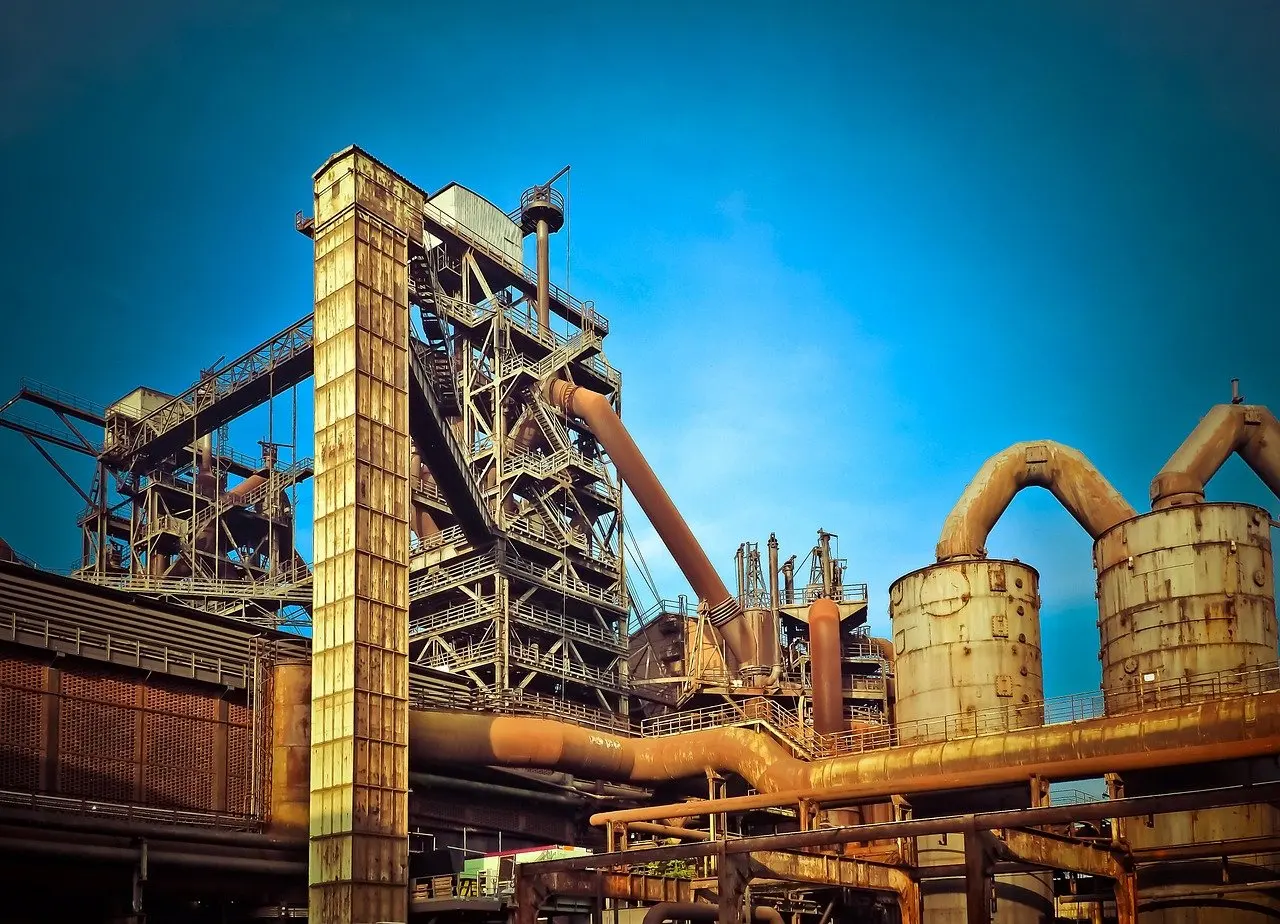
A waste heat boiler places a heat-exchange surface in the hot exhaust and uses the captured heat to make steam. It suits cement kilns and steel furnaces, where the exhaust is hot and continuous. It is the answer to how a waste heat recovery boiler works: hot flue gas passes over the boiler surface, gives up heat and leaves cooler.
Sizing starts with the heat content of the gas. Sigma Thermal describes heat content, Q in joules, as a function of the gas flowrate in cubic metres per second, its density, its specific heat and the temperature difference. In practice, a larger flow and a bigger temperature drop mean more recoverable heat.
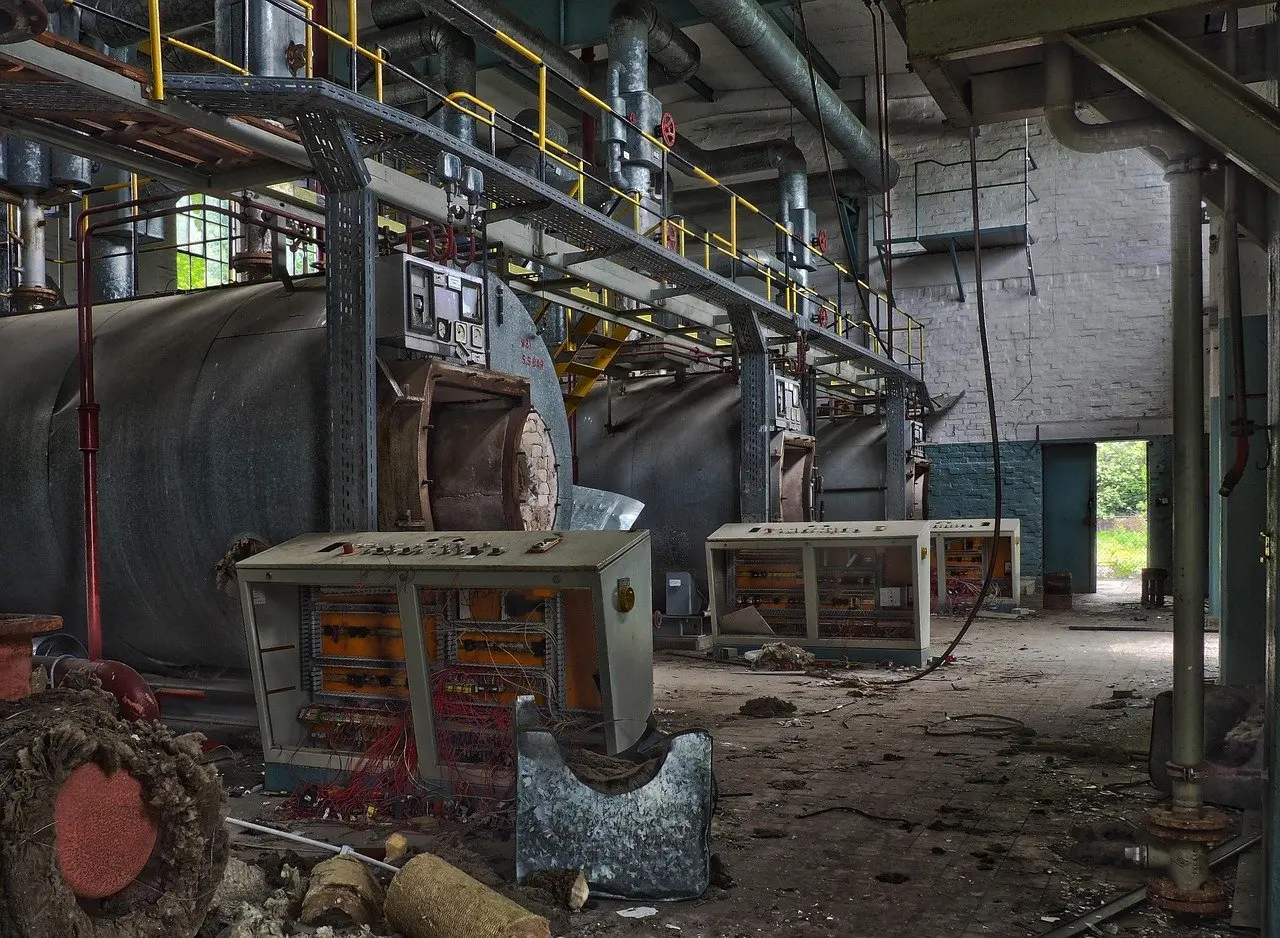
A boiler is the better choice when the plant has a steady use for steam or intends to make power. It is a weaker choice if the process runs intermittently, because the boiler then sits idle for long periods.
Waste heat to power in steel and cement plants
Waste heat to power converts exhaust heat into electricity. In a steel plant, Be-CIS notes that exhaust heat can be captured to generate steam, which powers turbines to produce electricity. The same logic applies at a cement kiln, where recovered heat can also preheat raw materials. Cement plants that do this report annual savings in millions of dollars.
For smaller or cooler streams, Sigma Thermal points to an Organic Rankine Cycle generator as the route to electricity. This option suits sites with plenty of heat but little use for steam, since the output is power rather than process heat.
Plants that raise heat by thermally treating waste rather than from a production process face a related decision, covered in the guide to pyrolysis waste to energy.
Heat pumps and district heating
Heat that is too cool for a boiler can still be used, either by lifting it with a heat pump or by piping it to nearby buildings. It cites a glove manufacturing plant that achieved a 75% reduction in both costs and emissions.
The Poznań example, described by Veolia, shows heat leaving the factory fence. A heat recovery system for air compressors was developed in 2016. It now recovers 70,000 GJ/year and supplies zero-emission heat to 6,500 apartments and 60 public buildings. Reported results include CO2 emissions reduced by almost 3,500 tonnes/year, plus annual savings of 4,000 tonnes of coal and 17 million litres of water.
This route suits sites with a steady heat supply close to a heat customer. It is not a fit for an isolated plant, because the pipework to a distant user can undermine the case.
Choosing a route: a short checklist
- Measure the exhaust temperature. Place the stream in the high, medium or low class from the table above.
- Find the heat user. Decide whether the heat returns to the same process, makes steam, or goes to neighbouring buildings.
- Match the equipment. Use a recuperator or preheater for furnace air, a waste heat boiler for steam, an Organic Rankine Cycle unit or turbines for power, and a heat pump for cooler streams.
- Check the operating pattern. Steady, continuous streams favour recovery. Intermittent ones weaken the case for most options.
- Weigh the constraints. Account for material limits and maintenance before committing.
Frequently asked questions
What are the main downsides of recovering waste heat?
The Department of Energy names material constraints and greater maintenance costs as barriers to fuller recovery. Both should be priced into any project before the savings are counted.
How far can exhaust gas be cooled in a recovery system?
Sigma Thermal gives a rule of thumb for early estimates: assume the exhaust outlet temperature will be about 100°F above the lowest-temperature process consumer. Actual designs depend on the specific gas and equipment.
Does hotter exhaust make recovery easier?
Yes. Sigma Thermal notes that higher temperatures give higher-quality waste heat and make optimising recovery processes easier.
Where does industrial waste heat come from?
Sigma Thermal lists heat loss through conduction, convection and radiation from industrial equipment, together with combustion, as the main sources.