Pyrolysis waste to energy works by heating waste so it decomposes thermally into fuel oil, a solid called char or carbon black, and gas, instead of burning it. The energy value sits in those three products, and each one needs its own outlet.
This guide walks through the conversion stages, the three-product split, tyre feed, oil quality limits and plant regulation. It also shows where pyrolysis sits among energy recovery from waste methods.
How pyrolysis turns waste into energy
Pyrolysis is a thermal decomposition process that converts organic material into fuel or other useful products, according to an Indian waste-to-energy overview. Energy is not released at the reactor in the way it is in a furnace. It is captured in products that are then used or sold as fuel. That makes pyrolysis a conversion route rather than a combustion route.
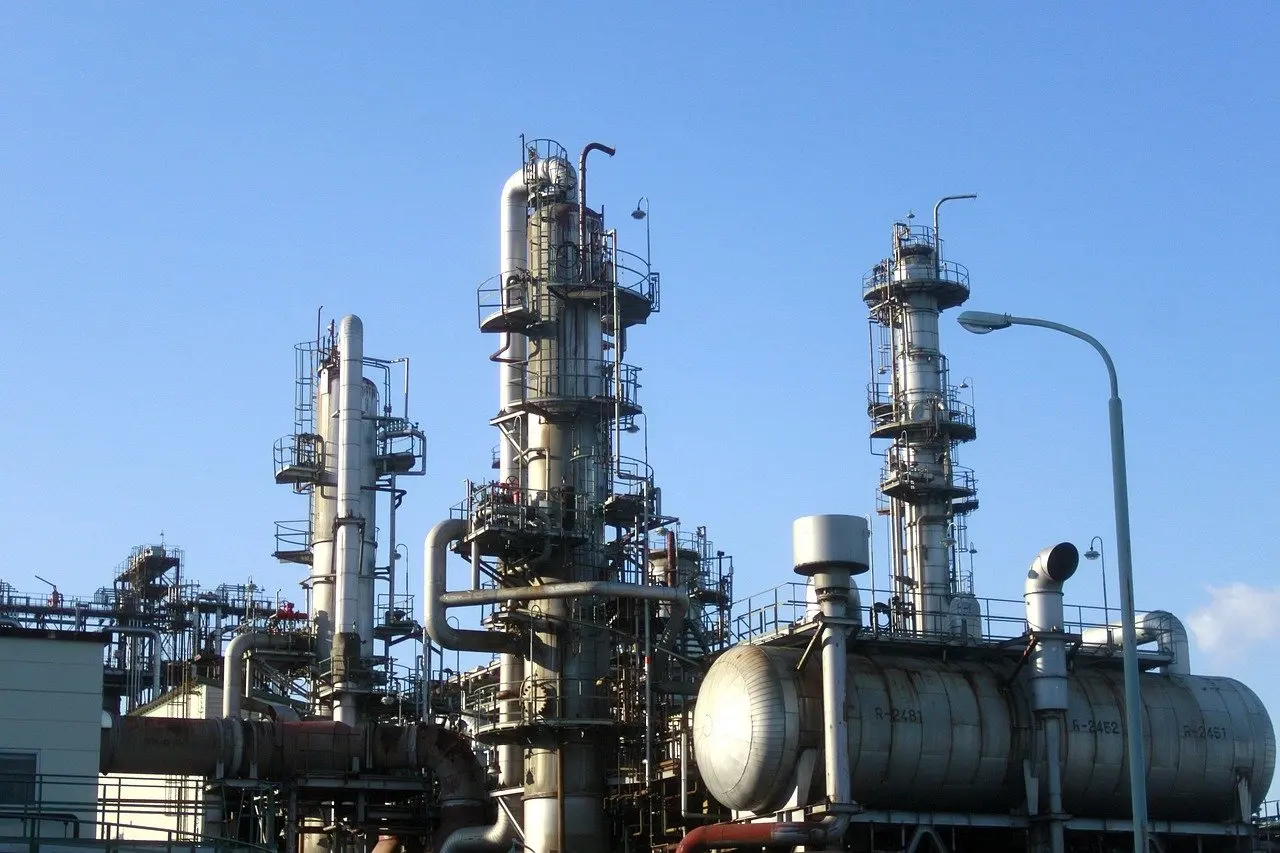
The process follows a recognisable order of stages:
- Feed preparation. Waste such as plastics or tyres is sorted and reduced to a size the reactor can handle, because the feed determines what comes out.
- Heating in the reactor. The material is heated in an oxygen-free thermal conversion unit, so it breaks down instead of burning.
- Product separation. The vapours leaving the reactor pass through a condenser. The condensable part becomes liquid oil, and the remainder stays as gas.
- Solid collection. The solid residue, char or carbon black, is drawn off and collected separately.
- Use or disposal. Oil and gas go to fuel use, and residues that cannot be used must be treated and disposed of in an environmentally sound manner.
The practical consequence is that a pyrolysis project is only as good as its weakest outlet. A reactor that makes oil nobody can use, or char nobody will buy, turns a waste problem into a storage problem.
The three products: char, oil and gas
The Indian overview names the outputs of pyrolysis of waste plastics, tyres and other non-biodegradable materials as fuel oil, carbon black and gas. In general terms these correspond to pyrolysis oil, pyrolysis char and pyrolysis gas.
| Product | Named output | Planning use |
|---|---|---|
| Pyrolysis oil | Fuel oil | Plan a buyer or on-site fuel use before building. Storage and handling fall under fuel-oil safety guidelines. |
| Pyrolysis char | Carbon black (solid) | Treat as a saleable solid only if a buyer accepts its quality. Otherwise it counts as a residue to dispose of properly. |
| Pyrolysis gas | Gas | Plan for safe handling and an identified use. Storage and handling are also covered by safety guidelines. |
The product names above follow the Indian waste-to-energy overview, including its reference to safety guidelines for fuel oil and gas.
Proportions of char, oil and gas
No single split applies to every plant. The share of each product depends on the feedstock and on how the reactor is run, so a figure quoted for one unit should not be carried over to another. A buyer, lender or regulator should ask for the mass balance of the specific feedstock and reactor, measured over a representative run. Without that, any business case that assumes mostly oil, mostly gas or mostly char rests on a guess.
Char
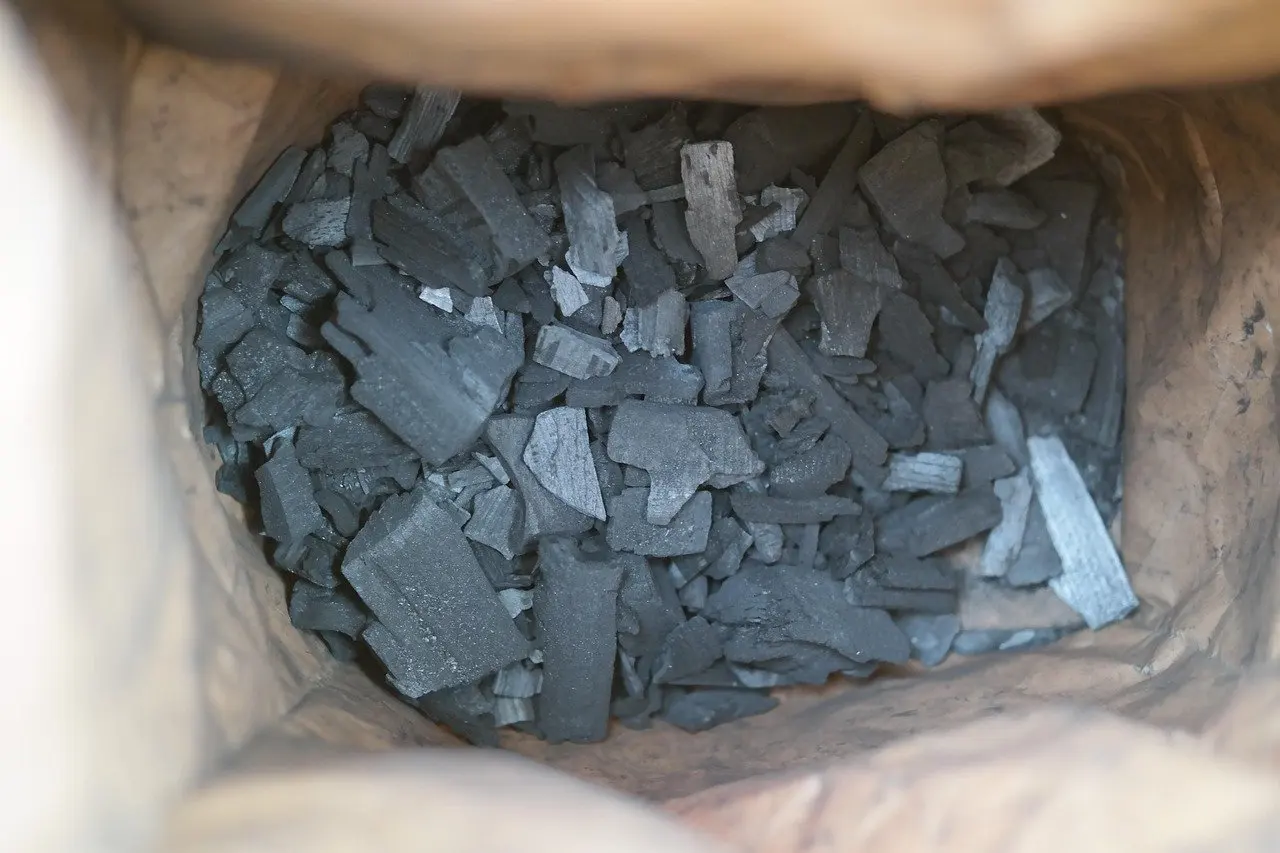
The solid product is the least discussed and often the hardest to place. A plant that treats it as an afterthought can end up with a growing pile of material that needs permitted disposal. Settle the char outlet in the same planning step as the oil outlet.
Tyre pyrolysis as a feedstock case
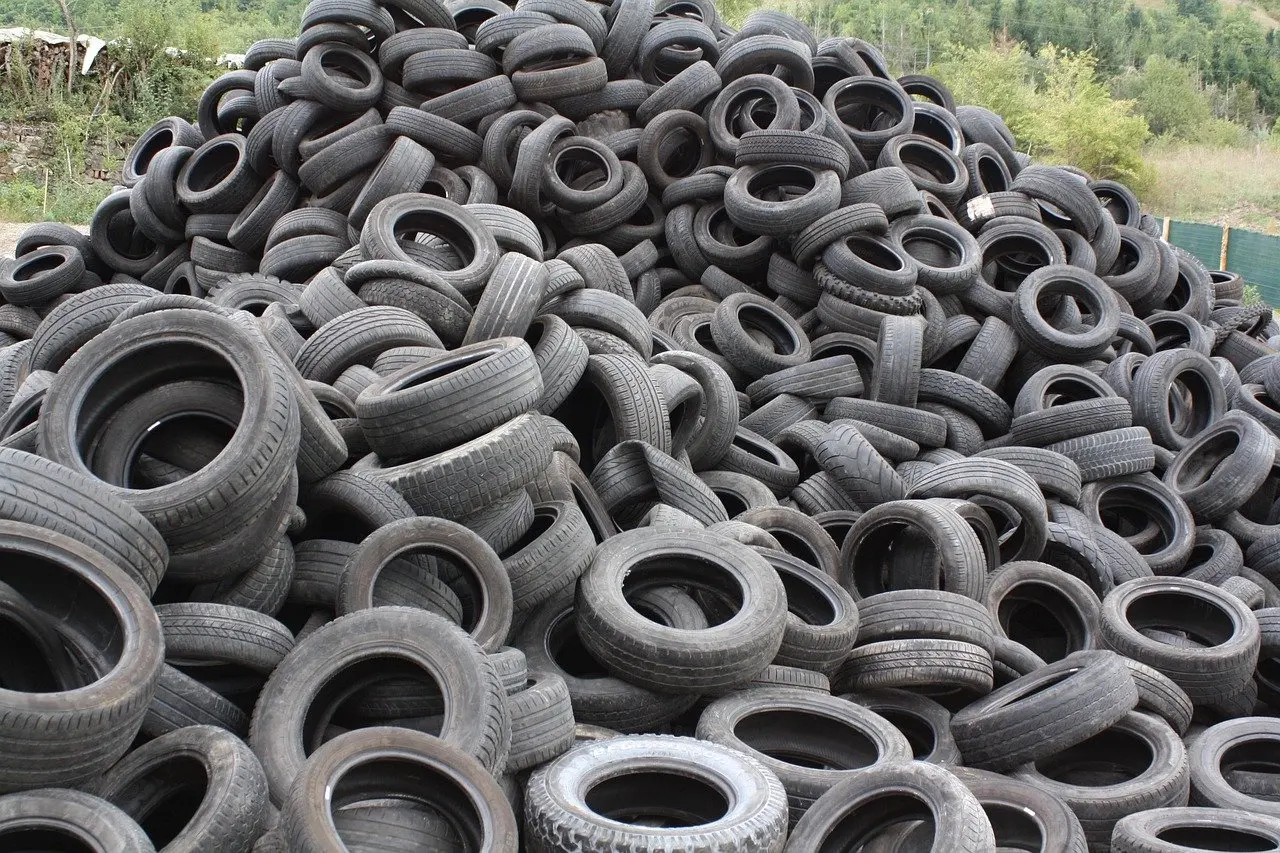
Tyre pyrolysis is one of the best-known applications because waste tyres are a bulky, non-biodegradable stream. The Indian overview lists tyres alongside waste plastics as feeds that can be converted into fuel oil, carbon black and gas. Tyres are a concentrated, relatively uniform feed, which suits a plant designed around one material.
The decision for a tyre operator is therefore less about whether pyrolysis can handle the feed and more about the outlets. Fuel oil and gas need safe storage and handling. Carbon black needs a buyer who accepts it. Prepare those commitments before committing to a reactor size.
Oil quality decides its real use
Calling the liquid output fuel oil describes its intended use, not its quality. In practice the oil is only as valuable as the specification it can meet for a buyer or burner. Plan around a tested sample from the actual feed, not a laboratory-scale or brochure figure.
Three practical points follow from that:
- Test before contracting. Sign no offtake agreement until oil from the real feed has been analysed against the buyer’s requirements.
- Handle it as a hazardous fuel. India’s PESO issues safety guidelines for the storage and handling of pyrolysis products such as fuel oil and gas, and the same discipline is sensible wherever the oil is stored.
- Keep a fallback. If the oil cannot meet a specification, an on-site burner or another tolerant use may be the realistic outlet.
Pyrolysis compared with gasification and incineration
Pyrolysis is often confused with neighbouring thermal routes, so the contrast matters for choosing one. Incineration burns waste at high temperatures to generate heat or electricity. Pyrolysis instead decomposes waste thermally and yields products that can be stored, moved and used elsewhere.
Gasification is the closer relative. Pyrolysis is defined by its separate char, oil and gas outputs, whereas gasification is generally chosen for a gas-led output. The details of that route are covered in how does waste gasification work. When comparing the two, ask which product the project is built around. If the aim is a liquid fuel, pyrolysis is the route to examine. If the aim is gas for heat or power, look at gasification first.
Plant scale and regulation: India as an example
Regulation shapes pyrolysis projects as much as chemistry does. The Indian overview sets out a clear example of the layers involved:
- Scale. Plant capacity runs from a minimum of 5 tons per day (TPD) to a maximum of 500 TPD.
- Clearance. Any pyrolysis project requires environmental clearance from the Ministry of Environment, Forest and Climate Change (MoEFCC).
- Emissions. Plants must comply with pollution control norms set by the Central Pollution Control Board (CPCB).
- Product safety. PESO issues guidelines for storing and handling fuel oil and gas.
- Engineering. The Bureau of Indian Standards has issued standards for the design, construction and operation of pyrolysis plants.
- Residues. Waste from the plant must be treated and disposed of in an environmentally sound manner.
These rules apply to India. A project elsewhere, including in the European Union, should confirm how its own jurisdiction classifies the input waste and the products, and what permit the plant needs, before design is fixed. The Indian list is a useful checklist of the questions to ask, covering scale, siting, emissions, product handling, engineering standards and residues.
Where pyrolysis fits in energy recovery
Pyrolysis suits operators who want storable products from a defined waste stream, and who can secure outlets for oil, gas and char. It suits them less well where the waste is mixed and variable and no buyer exists for the products. Heat used inside the plant is a separate topic, covered in what is waste heat recovery.
Frequently asked questions
Is pyrolysis the same as incineration?
No. Incineration burns waste at high temperatures to produce heat or electricity, while pyrolysis decomposes waste thermally into fuel oil, carbon black and gas.
Which waste materials are used in pyrolysis?
The Indian overview names waste plastics, tyres and other non-biodegradable materials as feeds converted into fuel oil, carbon black and gas.
Does a pyrolysis project need a permit?
In India, a pyrolysis project requires environmental clearance from the MoEFCC. Elsewhere, check the local classification of the waste and the permit required.
What happens to pyrolysis residues?
Waste from a pyrolysis plant has to be treated and disposed of in an environmentally sound manner, so a disposal route should be planned alongside the product outlets.